

 EN EN
EN EN
Painful finger joints can make everyday activities surprisingly difficult. Buttoning a shirt, typing, writing, gripping a steering wheel, opening jars, using tools, or even shaking hands may become uncomfortable when finger arthritis or joint damage progresses. When conservative treatment no longer provides relief, finger joint replacement surgery Miami patients consider may help reduce pain, improve motion, and restore hand function.
At Miami Shoulder Institute, patients receive focused upper-extremity care using modern techniques designed to preserve movement and improve quality of life.
Finger joint replacement is a procedure that removes a damaged finger joint and replaces it with an artificial implant. The goal is to relieve pain while maintaining or improving movement.
This treatment is often considered when joint surfaces have become worn, stiff, or deformed due to:
Unlike joint fusion, replacement aims to keep motion in the finger whenever appropriate.
Finger joints work constantly throughout the day. Over time, cartilage can wear down, causing bone-on-bone irritation. Some patients develop swelling, stiffness, and deformity that gradually worsens.
Common symptoms include:
When these symptoms interfere with daily life, evaluation for advanced hand surgery options may be appropriate.
Not every painful finger joint requires surgery. Many people improve with splints, medication, activity modification, or therapy. However, surgery may be considered when:
A skilled hand surgeon Miami patients trust can determine whether replacement, fusion, or another treatment is best.
Depending on the condition, several joints may be considered:
The middle joint of the finger. Often affected by arthritis and stiffness.
The knuckle where the finger meets the hand.
Although thumb arthritis often involves different procedures, some replacement options may be discussed depending on anatomy and goals.
Treatment decisions depend on pain level, deformity, strength needs, and activity demands.
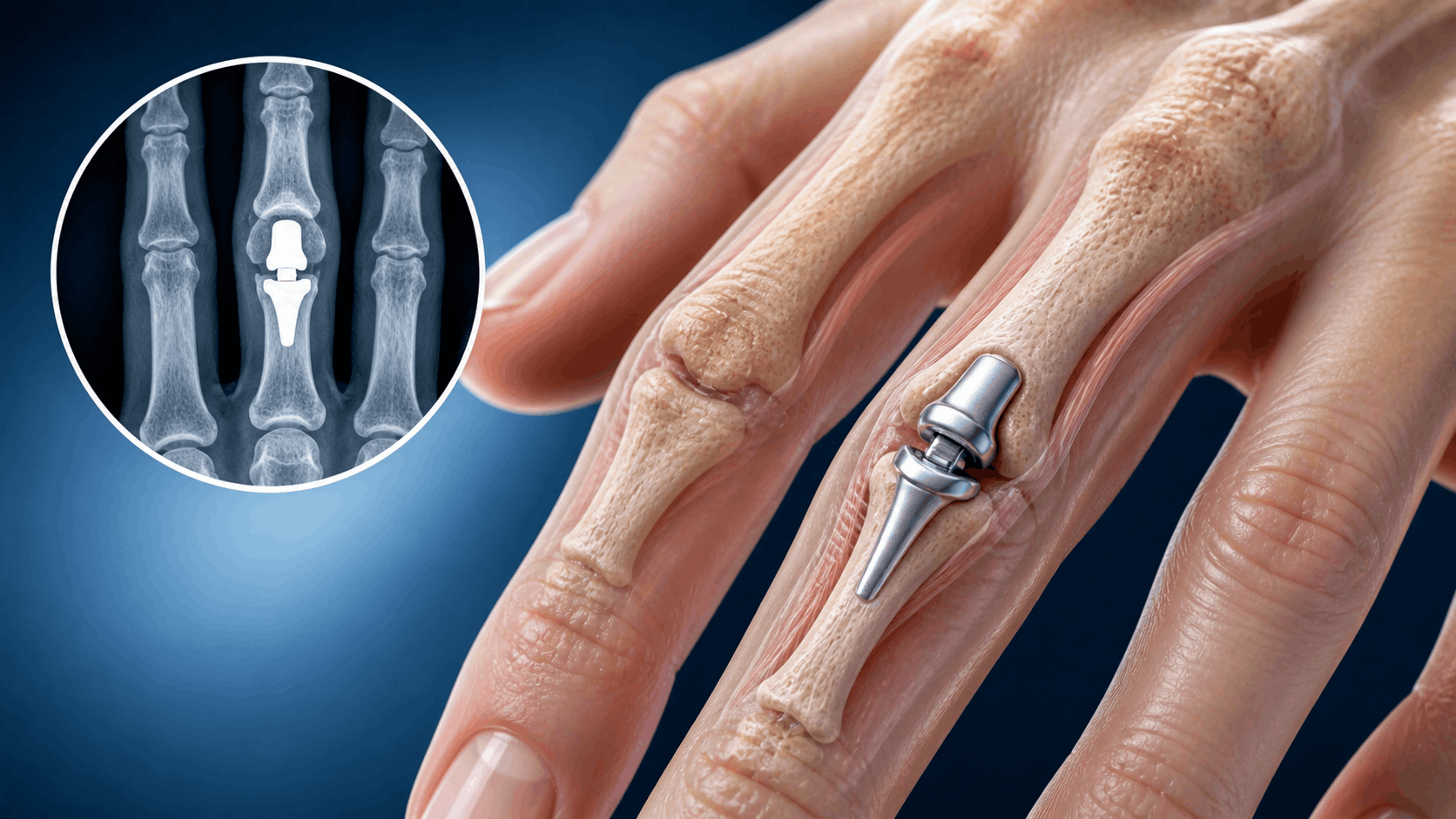
Modern hand plastic surgery techniques are not only cosmetic—they often focus on restoring function, alignment, and movement. In finger joint replacement, careful soft-tissue balancing may be needed to optimise results.
This may include:
These techniques help the implant function more naturally.
While each case differs, surgery commonly involves:
The objective is pain relief with useful motion.
Recovery is gradual and usually includes hand therapy.
Many patients continue improving with motion, comfort, and confidence.
After surgery, the finger must move enough to avoid stiffness while also protecting healing tissues. A structured therapy plan may include:
Therapy is often one of the most important parts of a successful recovery.
For the right patient, benefits may include:
Results vary depending on joint damage, implant type, and rehabilitation.
Miami Shoulder Institute provides specialised upper-extremity care with treatment plans focused on function, not just imaging. Whether the goal is pain-free daily activity, returning to hobbies, or improving hand dexterity, care is personalised around meaningful outcomes.
Longevity depends on implant type, activity level, and joint demands. Many patients do well for years.
It depends on the joint and goals. Replacement preserves motion, while fusion prioritises stability and pain relief.
Most patients gain useful motion, though perfect motion is not always possible.
Yes, therapy often plays a major role in regaining motion and function.
If finger pain, stiffness, or deformity limits daily life, specialist evaluation is recommended.