
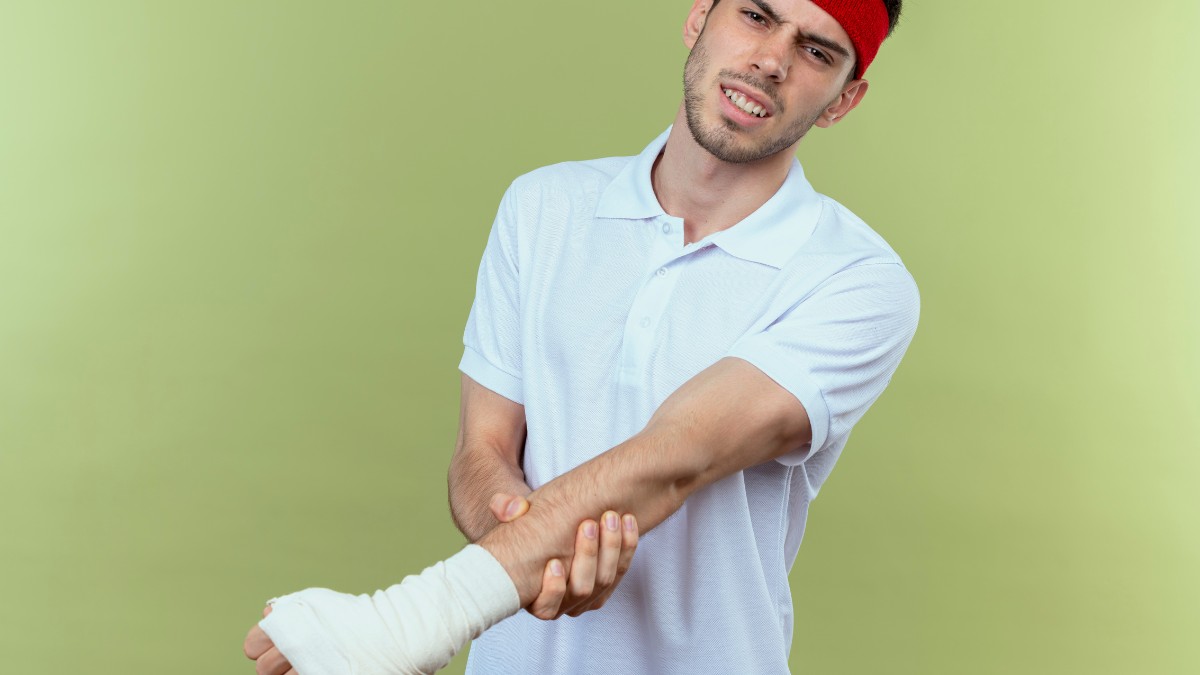
Injuries to the hand can affect nearly every aspect of daily life—from gripping objects to performing fine motor tasks. Sports accidents, falls, and traumatic injuries often damage delicate structures such as tendons, nerves, and blood vessels. In these cases, advanced hand and microsurgery techniques are often required to restore proper function and mobility. At Miami Shoulder Institute, specialised surgical care focuses on precision, functional recovery, and long-term hand health.
Hand and microsurgery involves highly specialised surgical procedures that repair extremely small structures within the hand and upper extremity. Surgeons use magnification and specialised instruments to repair nerves, tendons, blood vessels, and other delicate tissues.
This approach is particularly useful for injuries where precision is critical to restoring normal hand movement and sensation.
Hand injuries frequently occur during sports activities, workplace accidents, or sudden trauma. Some of the most common conditions treated with microsurgical techniques include:
In many cases, hand plastic surgery techniques are used to reconstruct damaged tissue and restore natural hand function.
Plastic surgery hand surgery techniques are essential when repairing complex hand injuries that affect both appearance and functionality. These procedures focus on rebuilding soft tissue structures, repairing tendons, and restoring circulation.
The goals of reconstructive hand surgery include:
Careful surgical planning ensures the best possible functional outcome.
Microsurgery is often recommended when injuries involve delicate anatomical structures. Examples include:
Early surgical intervention helps improve healing and long-term hand function.

Recovery from hand surgery depends on the severity of the injury and the type of procedure performed. Patients typically receive:
Rehabilitation plays a crucial role in restoring strength, coordination, and flexibility.
With expert surgical care and dedicated rehabilitation, many patients regain excellent hand function and return to normal activities. Early diagnosis and specialised treatment greatly improve recovery outcomes.
Hand and microsurgery involves specialised surgical techniques used to repair small structures such as nerves, tendons, and blood vessels in the hand.
Hand plastic surgery is often required after traumatic injuries or when reconstruction is necessary to restore function and appearance.
Recovery varies depending on the injury but may take several weeks to months with proper rehabilitation.
In many cases, microsurgery can reconnect nerves and improve sensation and movement.
Yes. Hand therapy is essential to restore strength, flexibility, and coordination after surgery.
Miami Shoulder Institute is dedicated to delivering world-class care with compassion, expertise, and integrity. Your mobility, our mission.