
 EN EN
EN EN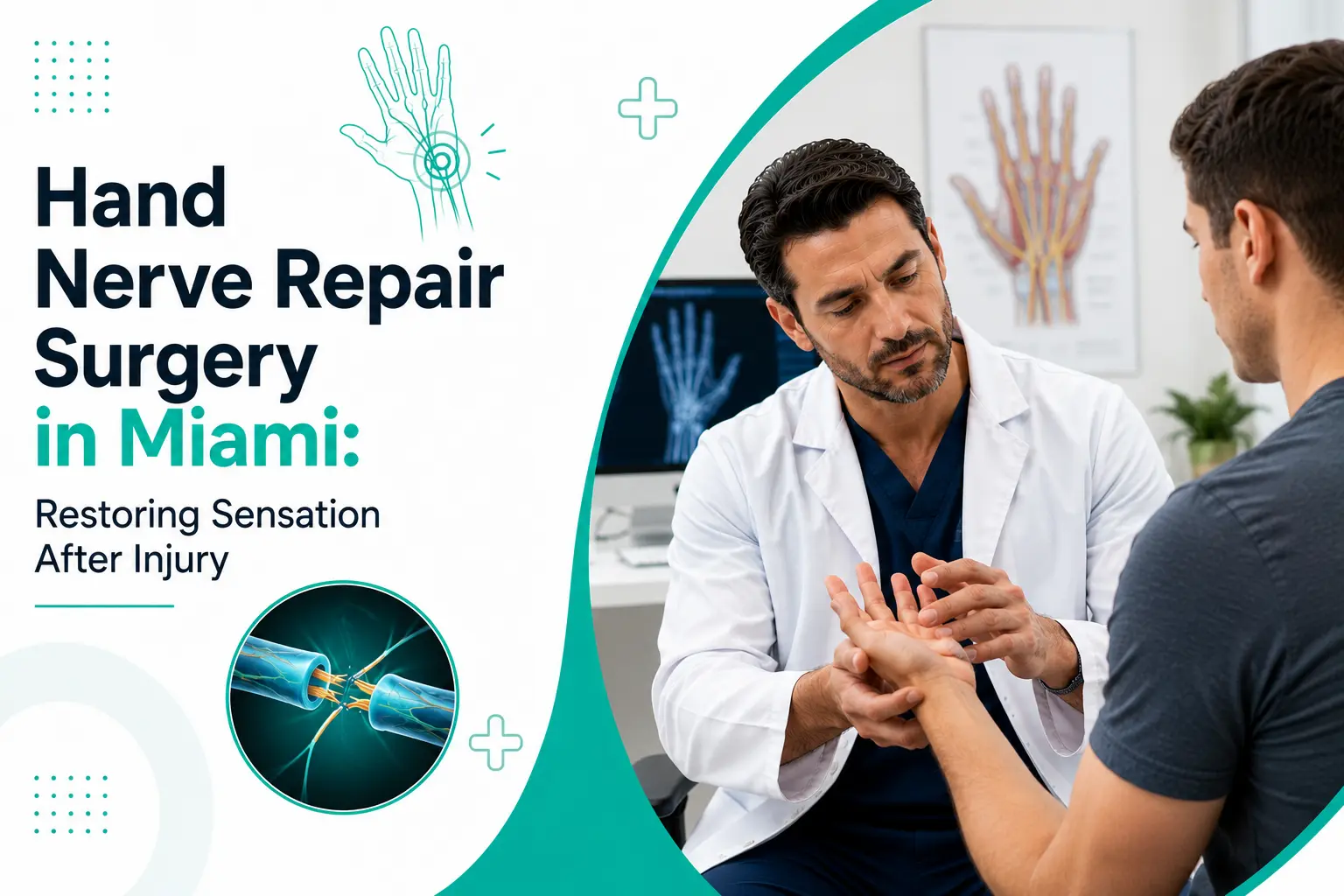
The hand contains a highly complex network of nerves that allow us to feel touch, temperature, pressure, and pain while also controlling fine motor movement. When a nerve is injured, everyday tasks such as buttoning a shirt, typing, writing, gripping objects, or using tools can become difficult. In some cases, patients experience numbness, tingling, burning pain, weakness, or loss of coordination. When conservative treatment is not enough, hand nerve repair surgery Miami patients consider may help restore sensation and improve hand function.
At Miami Shoulder Institute, patients receive specialised upper-extremity care focused on accurate diagnosis, advanced microsurgical techniques, and rehabilitation plans designed to maximise recovery.
Nerves act like communication pathways between the brain and the hand. They carry signals that allow muscles to move and skin to feel sensation. If a nerve is stretched, compressed, partially torn, or completely severed, those signals may be interrupted.
Common causes of nerve injuries include:
Because nerves are delicate structures, early diagnosis is often important for the best recovery.
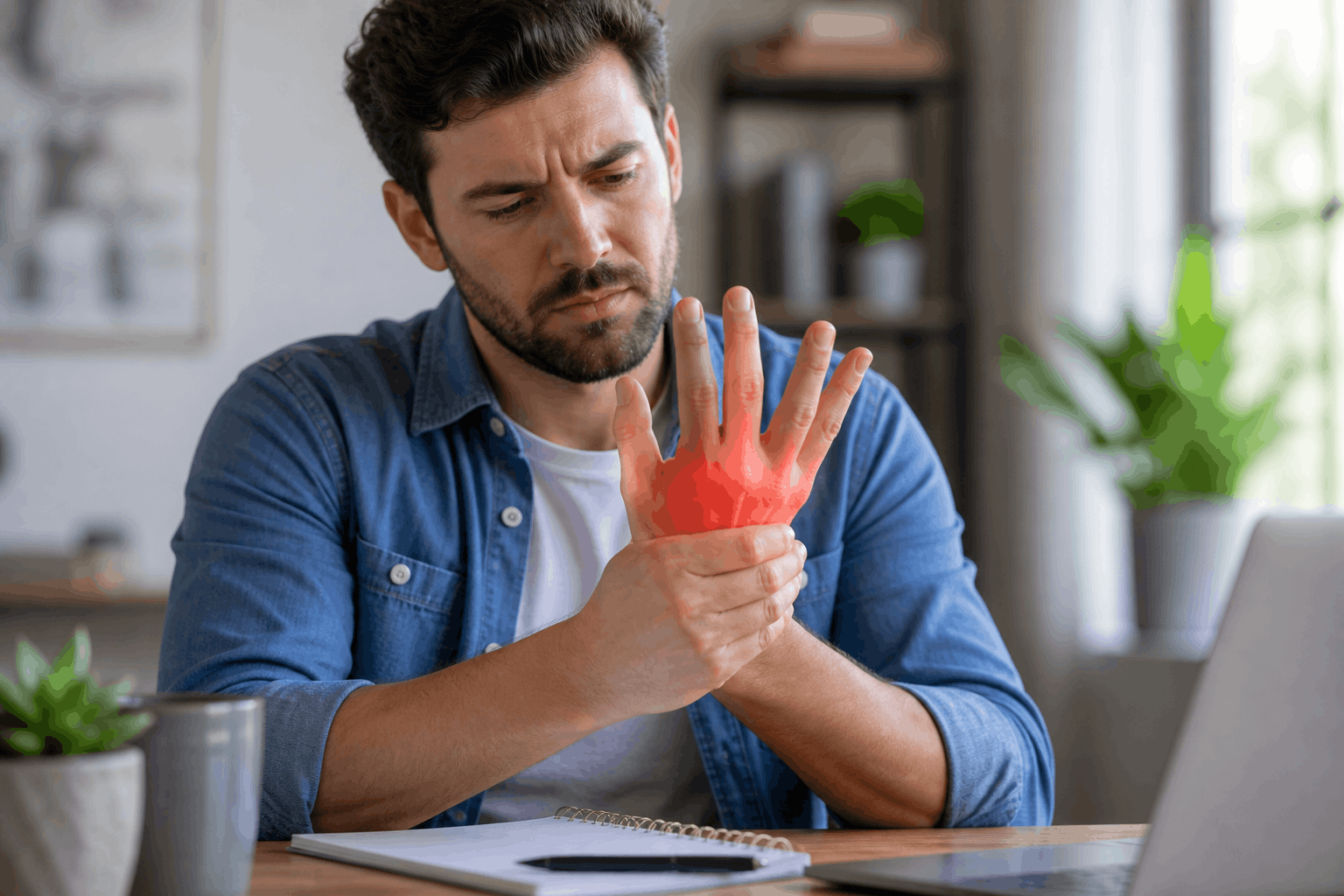
Patients seeking nerve damage hand treatment may experience one or more of the following:
Some symptoms appear immediately after injury, while others develop gradually.
Not every nerve injury requires surgery. Mild irritation or temporary compression may improve with rest, splinting, therapy, or time. However, surgery may be recommended when:
A qualified hand specialist Miami patients trust can determine the most appropriate treatment path.
Nerves in the hand are extremely small and require meticulous technique. This is why advanced hand and microsurgery methods are commonly used during repair procedures.
Microsurgical techniques may involve:
The goal is to create the best environment for nerve regeneration.
Depending on the injury, surgery may include:
If the nerve ends can be reconnected safely, they may be repaired directly.
If there is a gap, a graft may be used to bridge the damaged area.
Scar tissue compressing the nerve may be released.
In complex trauma, nerve repair may be performed with tendon or fracture treatment.
Each case is different and requires individual planning.
Nerves heal more slowly than many other tissues. Even after successful surgery, recovery takes time because the nerve must regenerate and reconnect with muscles and skin.
Recovery speed depends on injury severity, repair location, patient health, and time from injury to surgery.
After surgery, therapy is often essential. Treatment may include:
Therapy helps the brain relearn how to interpret returning nerve signals.
Results vary. Many patients regain meaningful sensation and improved hand function, especially when treatment occurs promptly and rehabilitation is followed consistently. More severe injuries may recover partially rather than completely.
The key goals are:
Miami Shoulder Institute provides specialised upper-extremity care with attention to both precision surgery and real-world recovery goals. Whether the injury affects work, sport, or daily independence, treatment plans are designed around restoring useful hand function.
As soon as possible. Early assessment may improve treatment options and outcomes.
Post-operative discomfort is usually manageable and improves during healing.
Nerve recovery may take several months and sometimes longer depending on the injury.
Not always. Nerves often recover gradually over time.
In many cases, yes. Therapy is an important part of recovery.