
A labrum tear is a common yet often misunderstood shoulder injury that can cause pain, instability, and repeated dislocations—especially in active individuals and athletes. Getting timely care from a labrum tear surgery specialist is crucial for accurate diagnosis and full recovery. At Miami Shoulder Institute, patients receive focused shoulder expertise, advanced arthroscopic treatment, and structured rehabilitation from injury through recovery.
The labrum is a ring of cartilage that deepens the shoulder socket and helps stabilise the joint. A tear can occur due to:
When torn, the labrum may cause pain, catching sensations, weakness, or a feeling that the shoulder may “slip out.”
You may need evaluation by a labrum tear surgery specialist if you experience:
These symptoms are common in patients seen at a sports injury clinic Miami residents trust for shoulder care.
Proper diagnosis is essential to determine the severity of the tear and the right treatment path. Miami Shoulder Institute follows a structured approach that includes:
An experienced shoulder arthroscopy surgeon can identify the exact location and extent of the labrum tear and recommend the most effective treatment.
Some minor labrum tears may respond to non-surgical care, particularly when symptoms are mild. Conservative treatment may include:
However, if instability or pain persists, surgery may be required for lasting relief.
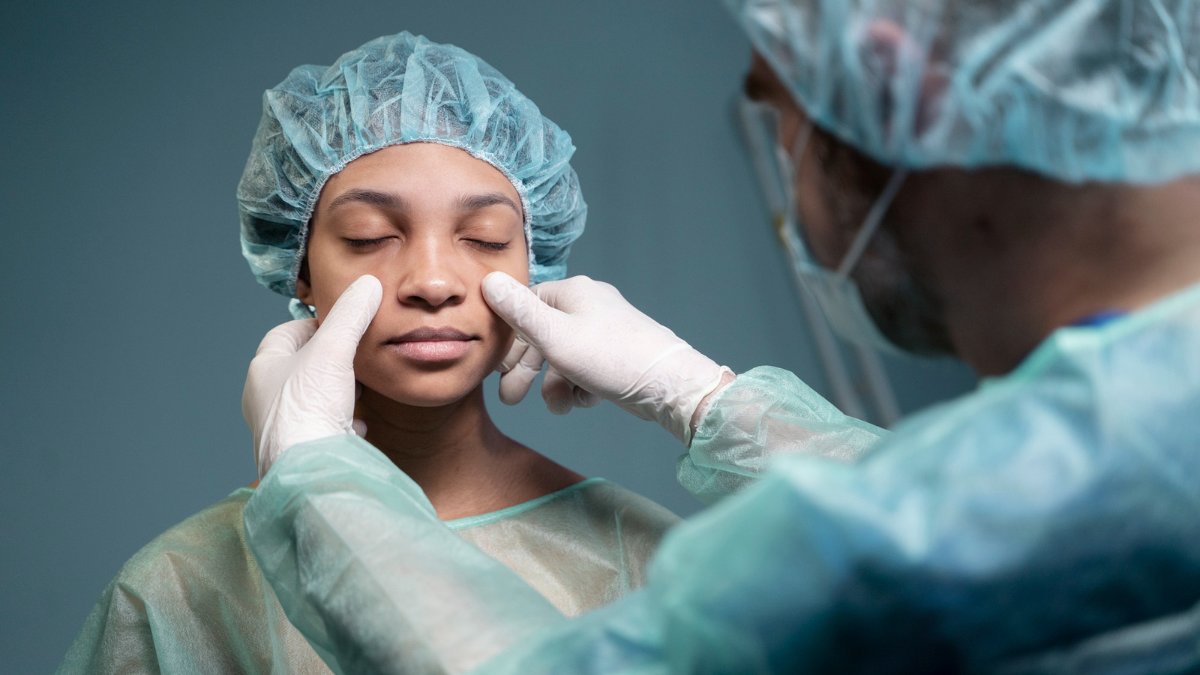
Surgery is often recommended when:
Labrum repair is commonly performed arthroscopically using minimally invasive techniques. This approach is often combined with shoulder dislocation treatment when instability is present, helping restore joint stability and function.
Recovery depends on the type of tear and the procedure performed. Patients typically receive:
Most patients can expect steady improvement over several months with proper rehabilitation and follow-up.
With expert care and structured recovery, many patients return to sports and active lifestyles safely. Ongoing monitoring ensures the shoulder regains strength, stability, and confidence while reducing the risk of re-injury.
A labrum tear surgery specialist treats cartilage tears that cause shoulder pain, instability, and dislocations, using both non-surgical and surgical approaches.
No. Some minor tears improve with physiotherapy, but surgery is recommended when symptoms persist or instability continues.
Most labrum repairs are done arthroscopically using small incisions and specialised instruments for precise repair.
Recovery varies, but full recovery often takes several months with guided rehabilitation.
Yes. Labrum tears can destabilise the shoulder and increase the risk of repeated dislocations if untreated.
Miami Shoulder Institute is dedicated to delivering world-class care with compassion, expertise, and integrity. Your mobility, our mission.