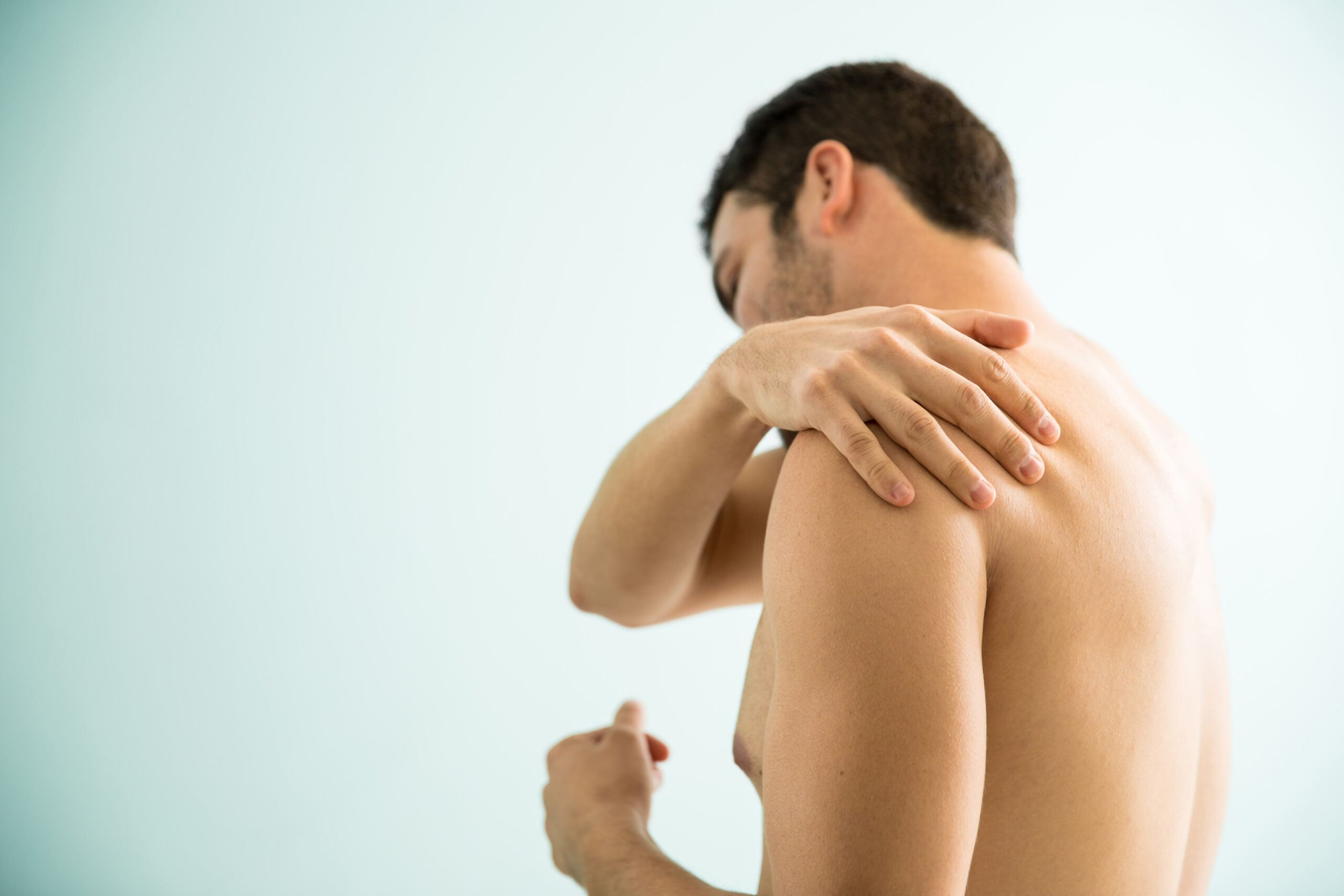
The shoulder is one of the most mobile — and therefore one of the most vulnerable — joints in the human body. For athletes and active individuals, shoulder injuries are common due to repetitive motion, heavy strain, and sudden impacts. Whether you play tennis, baseball, swim, or lift weights, the risk of sports shoulder injuries is real and often underestimated.
At the Miami Shoulder Institute, we specialize in diagnosing, treating, and rehabilitating all types of shoulder injuries using cutting-edge techniques and personalized care. In this blog, we’ll explore the most common sports shoulder injuries, their causes, and the advanced treatments available to help you get back in the game.
The rotator cuff consists of four muscles and tendons that stabilize the shoulder joint. Repetitive overhead motions — common in sports like baseball, tennis, or swimming — can cause these tendons to tear.
The Miami Shoulder Institute has extensive experience in restoring shoulder function for athletes with rotator cuff injuries, using advanced, personalized rehabilitation programs.
A shoulder dislocation occurs when the upper arm bone (humerus) pops out of the shoulder socket, causing tears in the anterior or posterior labrum, or even fracture of the socket. This can result from a fall, collision, or extreme arm rotation — frequent in contact sports like football or wrestling.
At the Miami Shoulder Institute, surgeons use advanced stabilization techniques to help athletes regain full range of motion and prevent future dislocations.
The labrum is a ring of cartilage that stabilizes the shoulder socket. Overhead motions or traumatic injuries can cause superior (upper) labral tear (SLAP lesion).
With precise surgical techniques and structured recovery plans, the Miami Shoulder Institute helps athletes return to their sport safely and confidently.
Internal impingement occurs when shoulder rotator cuff tendons are compressed against the bony socket inside the joint, leading to inflammation and pain. It’s common among swimmers, weightlifters, and volleyball players.
The Miami Shoulder Institute’s expert therapists and surgeons focus on correcting biomechanics and preventing recurrence through tailored rehabilitation.
Repetitive shoulder movement and external impingement outside the joint can cause inflammation in the bursa (bursitis) or tendons (tendinitis). These overuse injuries are common in golfers, swimmers, and pitchers.
At the Miami Shoulder Institute, we prioritize non-surgical recovery methods and focus on restoring natural shoulder mechanics through individualized therapy.
The acromioclavicular (AC) joint connects the collarbone to the shoulder blade. A fall or direct blow to the shoulder — often in cycling, football, or snowboarding — can separate this joint.
The Miami Shoulder Institute offers advanced AC joint repair techniques, helping athletes regain full strength and mobility post-injury.
Contact sports or falls can lead to shoulder fractures (clavicle, humerus, or scapula). Overuse activities like pitching can cause stress fractures over time.
The specialists at Miami Shoulder Institute use precision imaging and advanced orthopedic techniques to ensure complete healing and restore shoulder strength.
While not all injuries are avoidable, prevention plays a major role in long-term shoulder health. The experts at the Miami Shoulder Institute recommend:
Proactive care and early diagnosis can prevent minor shoulder issues from becoming major injuries.
The Miami Shoulder Institute is a leading center for sports shoulder injury treatment in Miami, combining advanced orthopedic care with personalized rehabilitation. Here’s why athletes choose it:
Whether you’re a professional athlete or a weekend warrior, the Miami Shoulder Institute offers the expertise and care you need to get back in action — stronger and pain-free.
Sports shoulder injuries are common but highly treatable when addressed promptly and correctly. With modern surgical techniques, innovative therapies, and expert rehabilitation, you can make a complete recovery and return to doing what you love.
At the Miami Shoulder Institute, we combine medical excellence, cutting-edge technology, and compassionate care to provide comprehensive shoulder treatment for athletes and active individuals alike. Don’t let shoulder pain hold you back — trust Miami’s leading shoulder specialists to help you recover and perform at your best.
Miami Shoulder Institute is dedicated to delivering world-class care with compassion, expertise, and integrity. Your mobility, our mission.