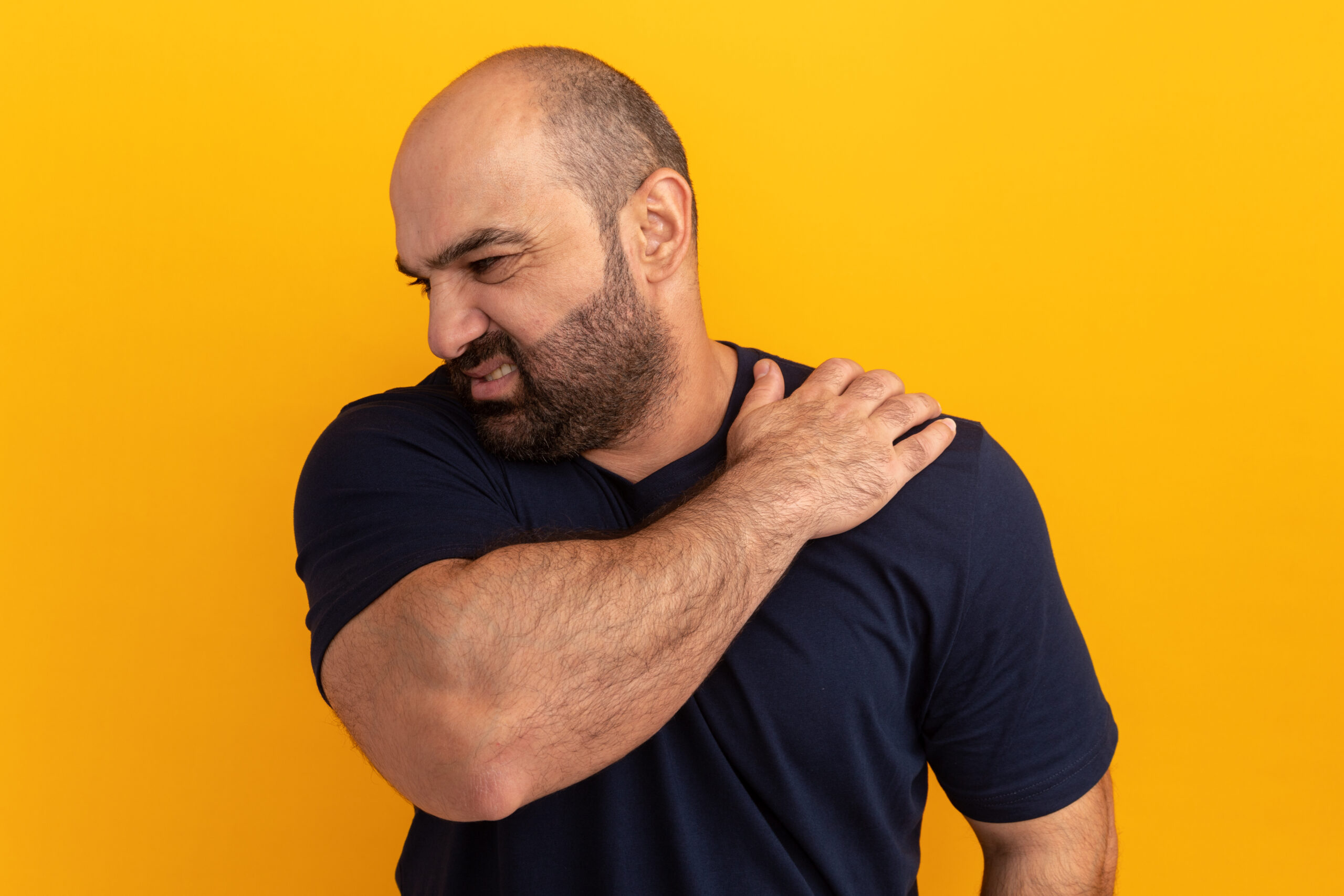
Recovering from shoulder surgery is a major step toward regaining your mobility, comfort, and confidence — but healing doesn’t end in the operating room. One of the most common challenges patients face is the risk of re-injury during the recovery phase. Whether you’ve undergone a rotator cuff repair, shoulder stabilization, or arthroscopic procedure, following a structured, evidence-based plan can make the difference between a smooth recovery and a setback.
At Miami Shoulder Institute, our expert shoulder surgeons emphasize the importance of active recovery, proper movement, and guided therapy to prevent re-injury and ensure lasting results.
Every shoulder surgery and patient is unique. After your procedure, your surgeon at Miami Shoulder Institute will provide specific post-operative guidelines — including sling use, movement limitations, wound care, and medications.
Ignoring these instructions or returning to activity too early is one of the leading causes of re-injury. Adhering strictly to your surgeon’s timeline ensures the repaired tendons, ligaments, or joint surfaces have adequate time to heal.
Pro Tip: Set reminders for your medication schedule, therapy appointments, and sling usage to stay consistent.
Physical therapy is the cornerstone of shoulder rehabilitation. The experts at Miami Shoulder Institute design customized therapy plans that gradually restore range of motion, rebuild strength, and improve stability without overstressing healing tissues.
Therapy typically progresses in three phases:
Pro Tip: Never skip sessions or push beyond your prescribed limits — progress at your shoulder’s pace, not your eagerness.
Pain management plays a crucial role in preventing re-injury. When discomfort is poorly controlled, patients may move incorrectly or compensate with awkward positions, placing new stress on the joint.
At Miami Shoulder Institute, patients are guided on proper use of cold therapy, anti-inflammatory medication, and positioning techniques to minimize swelling and stiffness.
Pro Tip: Apply ice packs for 15–20 minutes after therapy or activity to reduce inflammation safely.
It’s natural to want to return to your sport, gym, or active lifestyle quickly — but pushing too soon can undo months of healing.
The specialists at Miami Shoulder Institute use clinical milestones, not just timelines, to determine readiness for advanced activity. They evaluate your shoulder’s strength, stability, and range of motion before clearing you for high-demand movements like overhead lifting or throwing.
Pro Tip: Discuss your specific athletic or occupational goals early with your surgeon and therapist so your plan includes sport-specific rehab.
Even after your shoulder has healed, poor posture or improper movement patterns can trigger re-injury. Slouching, repetitive overhead motions, or poor desk ergonomics increase strain on the shoulder joint.
The team at Miami Shoulder Institute emphasizes shoulder-blade stability, core engagement, and balanced muscle training to maintain optimal mechanics during all activities.
Pro Tip: Incorporate posture correction and scapular stabilization exercises into your daily routine.
Tissue repair requires proper nutrition and rest. Include lean protein, vitamin C, omega-3 fatty acids, and hydration in your post-surgery diet. Avoid smoking or excessive alcohol, as they slow healing.
At Miami Shoulder Institute, patients receive comprehensive recovery guidance — including dietary support and rest strategies — to enhance tissue regeneration and bone strength.
Pro Tip: Prioritize 7–8 hours of sleep per night and stay consistent with your meal plan.
Recovery doesn’t stop when physical therapy ends. Continuous follow-ups help track progress, catch early warning signs of overuse, and adjust rehabilitation as needed.
The specialists at Miami Shoulder Institute encourage open communication — ask questions, report unusual pain, and stay proactive. Education and ongoing care are your best defenses against re-injury.
Pro Tip: Schedule routine check-ups every few months to ensure your shoulder remains strong, stable, and pain-free.
Preventing re-injury after shoulder surgery is all about balance — between movement and rest, strength and patience, independence and guidance. By following your surgeon’s instructions, committing to rehabilitation, and maintaining healthy habits, you can protect your results and regain full shoulder performance with confidence.
At Miami Shoulder Institute, every recovery journey is guided by compassion, precision, and science-backed expertise. With the right care, you won’t just heal — you’ll come back stronger than ever.
Miami Shoulder Institute is dedicated to delivering world-class care with compassion, expertise, and integrity. Your mobility, our mission.