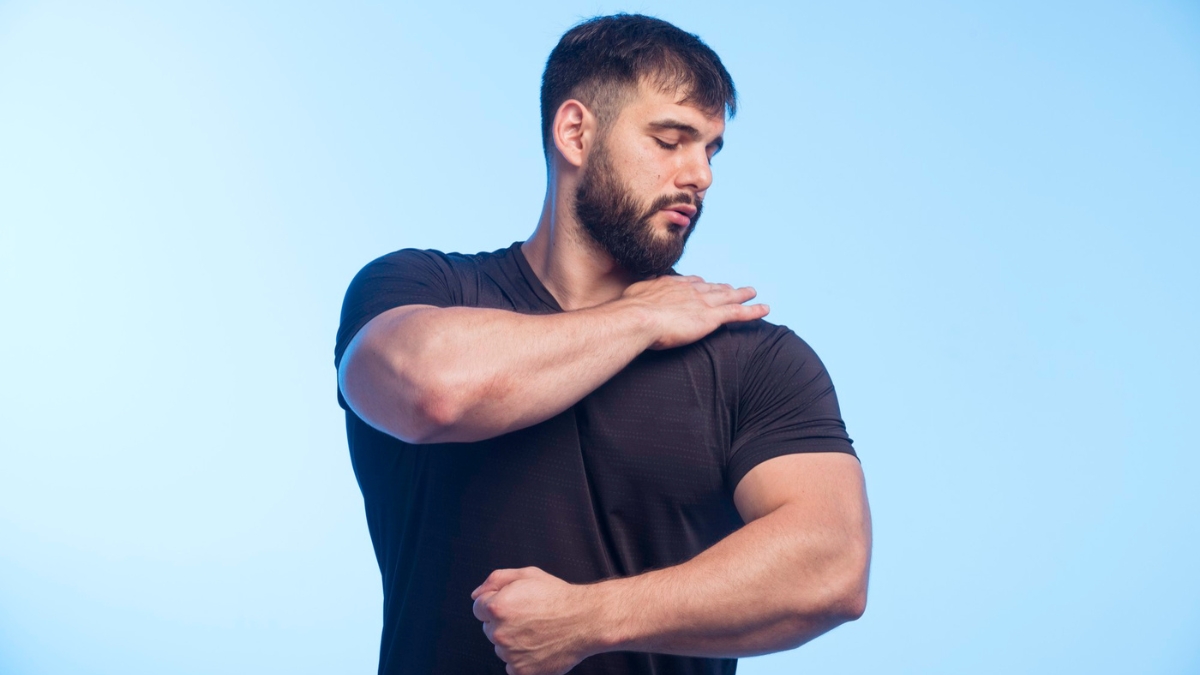
Persistent shoulder pain, weakness, and difficulty lifting the arm are common signs of a rotator cuff tear. When conservative treatments no longer provide relief, rotator cuff repair surgery Miami patients consider may be the most effective solution. At Miami Shoulder Institute, care is centred on precise diagnosis, advanced arthroscopic techniques, and structured rehabilitation to restore shoulder strength and function.
The rotator cuff consists of muscles and tendons that stabilise the shoulder joint and enable smooth arm movement. Tears can occur from:
Symptoms often include persistent shoulder pain, weakness, limited range of motion, and discomfort during sleep.
Early evaluation ensures that treatment begins before the tear worsens.
Not all rotator cuff tears require surgery. However, rotator cuff repair surgery Miami may be recommended when:
A thorough assessment determines whether surgery is the most appropriate treatment option.
Most modern repairs are performed using arthroscopic shoulder surgery Miami patients prefer for its precision and reduced recovery time. This minimally invasive approach involves small incisions and a camera to guide the repair of torn tendons.
Benefits of arthroscopic repair include:
This approach is a leading form of minimally invasive shoulder surgery for rotator cuff tears.

During rotator cuff repair surgery, the torn tendon is reattached to the bone using specialised anchors and sutures. The procedure focuses on restoring shoulder stability and improving long-term strength.
Advanced surgical planning ensures:
Proper recovery is critical for long-term success. After surgery, patients typically experience:
Complete recovery may take several months, depending on the size of the tear and adherence to rehabilitation guidelines.
With expert surgical care and guided therapy, many patients regain significant shoulder strength and mobility. Following the recommended rehabilitation plan plays a vital role in preventing re-injury and achieving lasting results.
No. Many small or partial tears respond well to non-surgical treatment. Surgery is recommended when symptoms persist or the tear is severe.
Recovery varies but typically requires several months of rehabilitation for full healing.
For many cases, arthroscopic surgery allows smaller incisions, less pain, and faster recovery, though suitability depends on the tear.
Most patients experience significant improvement, especially when rehabilitation guidelines are followed carefully.
Yes. Untreated tears may enlarge over time and lead to increased pain and weakness.
Miami Shoulder Institute is dedicated to delivering world-class care with compassion, expertise, and integrity. Your mobility, our mission.