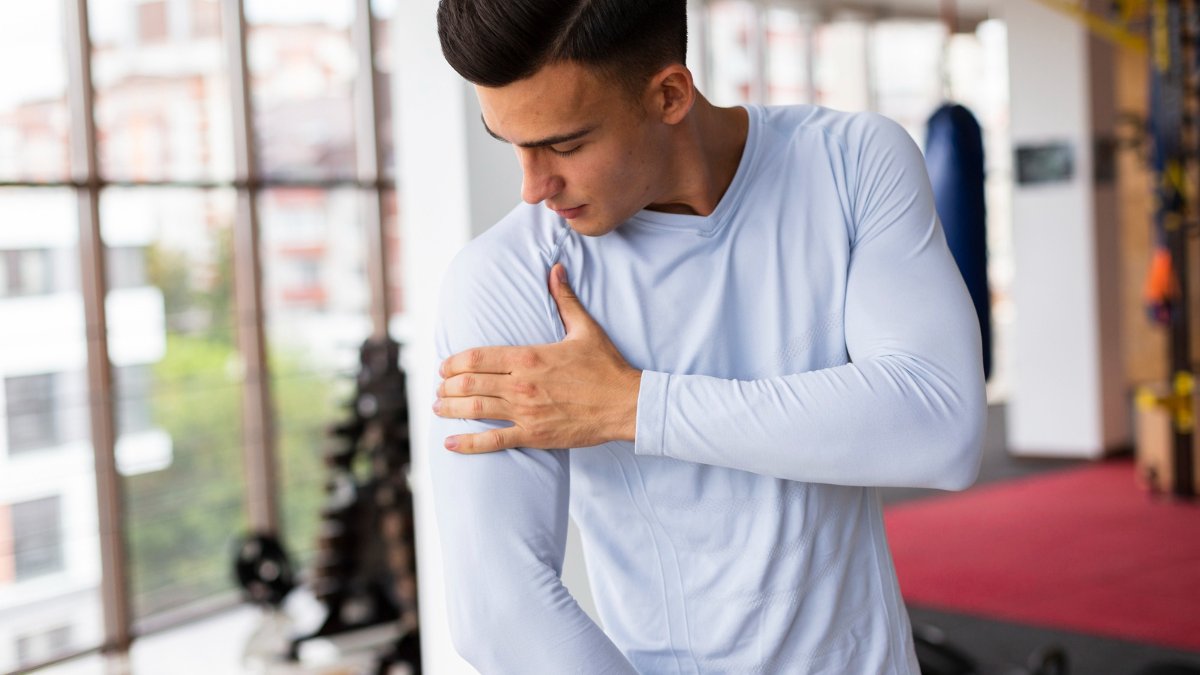
Persistent shoulder pain, weakness, and limited movement may be signs of a rotator cuff tear. When conservative treatment no longer provides relief, rotator cuff surgery Miami patients consider can help restore strength and stability. At Miami Shoulder Institute, care is focused on accurate diagnosis, advanced surgical repair, and structured rehabilitation for long-term shoulder health.
The rotator cuff is a group of muscles and tendons that stabilise the shoulder joint and allow smooth arm movement. Tears may occur suddenly due to injury or gradually from wear and tear over time.
Common symptoms include:
Early evaluation helps determine whether non-surgical treatment or surgery is the best option.
Not all rotator cuff tears require surgery. However, rotator cuff surgery Miami may be recommended when:
Each patient is carefully evaluated to ensure surgery is recommended only when it offers the best chance for full recovery.
Rotator cuff repair surgery Miami patients undergo is often performed using minimally invasive arthroscopic techniques. This approach allows surgeons to repair torn tendons through small incisions while preserving surrounding tissue.
Benefits of modern surgical techniques include:
The goal of surgery is to restore tendon attachment, improve stability, and relieve pain.
Proper shoulder surgery recovery is essential for long-term success. Recovery typically involves:
Recovery timelines vary, but full healing often takes several months with guided rehabilitation.

Rehabilitation is carefully structured to prevent re-injury while restoring shoulder function. The recovery process usually includes:
Ongoing follow-up ensures healing progresses safely and effectively.
With expert surgical care and proper rehabilitation, many patients regain shoulder strength, mobility, and confidence. Early diagnosis and adherence to therapy significantly improve long-term results.
No. Many partial tears improve with non-surgical treatment. Surgery is recommended when symptoms persist or the tear is severe.
Recovery varies, but most patients require several months of rehabilitation for full healing.
Post-surgical discomfort is expected but manageable and improves steadily during recovery.
Return-to-sport timing depends on healing progress and rehabilitation milestones.
Yes. Untreated tears may enlarge over time and lead to increased pain and weakness.
Miami Shoulder Institute is dedicated to delivering world-class care with compassion, expertise, and integrity. Your mobility, our mission.