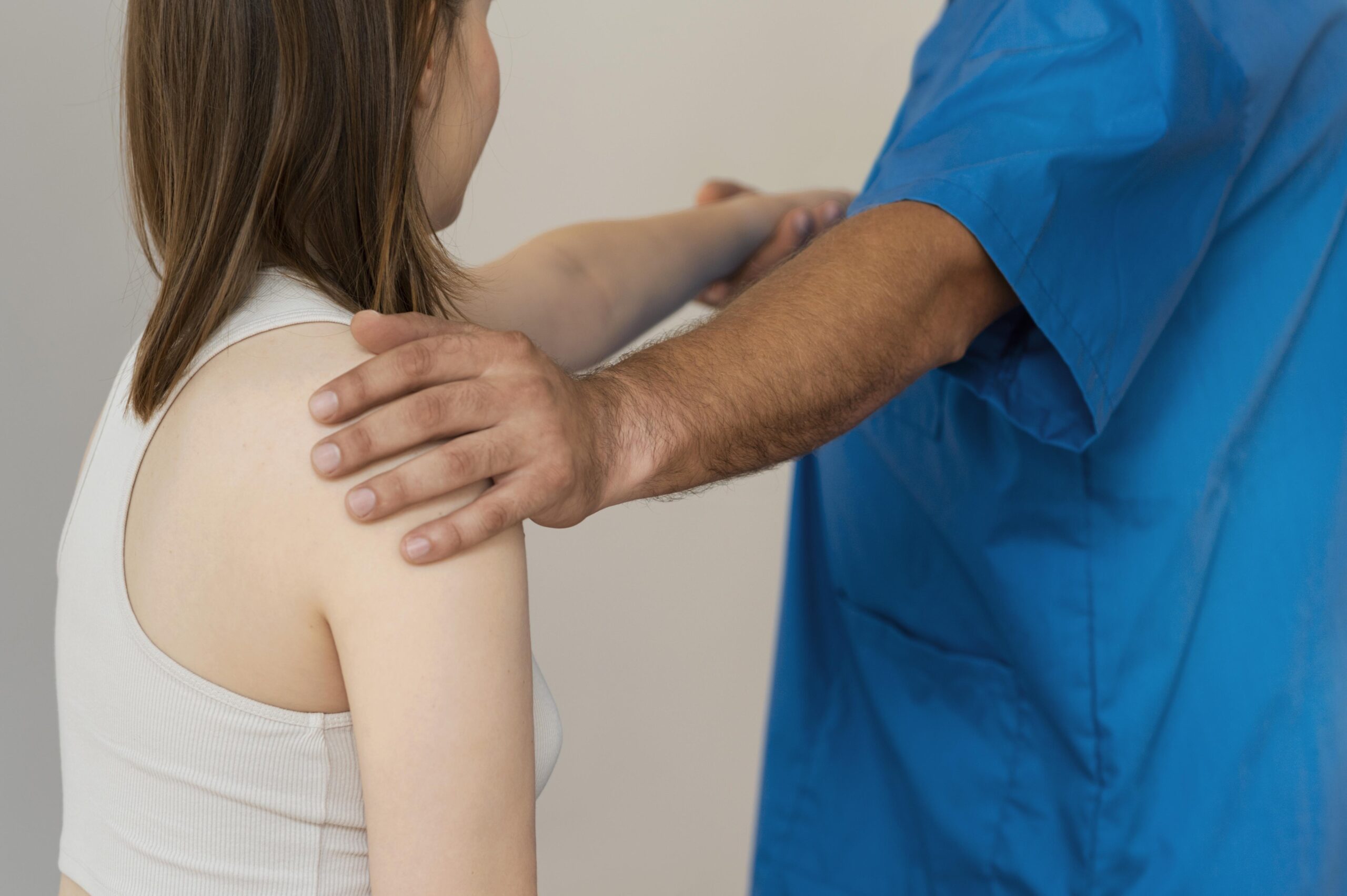
Rotator cuff injuries are among the most common causes of shoulder pain and weakness. Whether due to aging, sports injuries, or overuse, these tears can severely limit movement and affect daily life. In such cases, rotator cuff surgery can be the key to restoring strength, stability, and comfort.
At the Miami Shoulder Institute, patients receive expert, individualized care from board-certified shoulder specialists who utilize the latest minimally invasive techniques. This guide explores what to expect before, during, and after rotator cuff surgery — including recovery tips, aftercare guidelines, and long-term results.
The rotator cuff is a group of four muscles and tendons that stabilize the shoulder joint and allow smooth motion. When these tendons tear — partially or completely — surgical repair may be needed to reattach them to the bone.
At the Miami Shoulder Institute, surgeons perform rotator cuff repairs using advanced arthroscopic techniques depending on the severity of the injury. The primary goals are to:
The Miami Shoulder Institute offers a variety of surgical techniques customized to each patient’s condition:
Every patient at the Miami Shoulder Institute receives a personalized surgical plan designed for maximum comfort and recovery success.
Recovery from rotator cuff surgery is a gradual process that varies based on the size of the tear, the surgical technique used, and the patient’s overall health. Here’s a general timeline:
At the Miami Shoulder Institute, therapists and surgeons work together to guide patients through every phase with close monitoring and progress tracking.
Recovery success depends heavily on following your surgeon’s and therapist’s instructions. Here are key post-surgery care tips recommended by the experts at the Miami Shoulder Institute:
Most patients experience significant improvement in pain relief, shoulder strength, and range of motion after surgery. With proper rehabilitation and care, results typically include:
At the Miami Shoulder Institute, long-term patient follow-ups ensure sustained recovery and shoulder performance for years to come.
Case Study: John’s Return to Sports After Rotator Cuff Surgery
John, a 45-year-old recreational basketball player, suffered a complete rotator cuff tear that left him unable to lift his arm. After an arthroscopic rotator cuff repair at the Miami Shoulder Institute, John began physical therapy within two weeks.
“The Miami Shoulder Institute team guided me through every step. The personalized therapy plan and follow-ups made all the difference. I’m back on the court and playing pain-free.” — John D.
His recovery highlights the Institute’s commitment to advanced surgical precision, holistic rehabilitation, and patient-centered care.
When it comes to rotator cuff surgery in Miami, the Miami Shoulder Institute stands out for its expertise, technology, and personalized care:
From diagnosis to complete recovery, the Miami Shoulder Institute provides comprehensive shoulder care with precision, compassion, and excellence.
Rotator cuff surgery can be life-changing — relieving pain, restoring movement, and allowing you to return to the activities you love. The key lies in expert surgical care, a disciplined recovery plan, and consistent rehabilitation.
At the Miami Shoulder Institute, patients experience world-class treatment from top shoulder surgeons dedicated to helping them regain full functionality. If you’re struggling with shoulder pain or a rotator cuff tear, trust the experts at the Miami Shoulder Institute to guide you every step of the way toward a stronger, healthier shoulder.
Miami Shoulder Institute is dedicated to delivering world-class care with compassion, expertise, and integrity. Your mobility, our mission.