
 EN EN
EN EN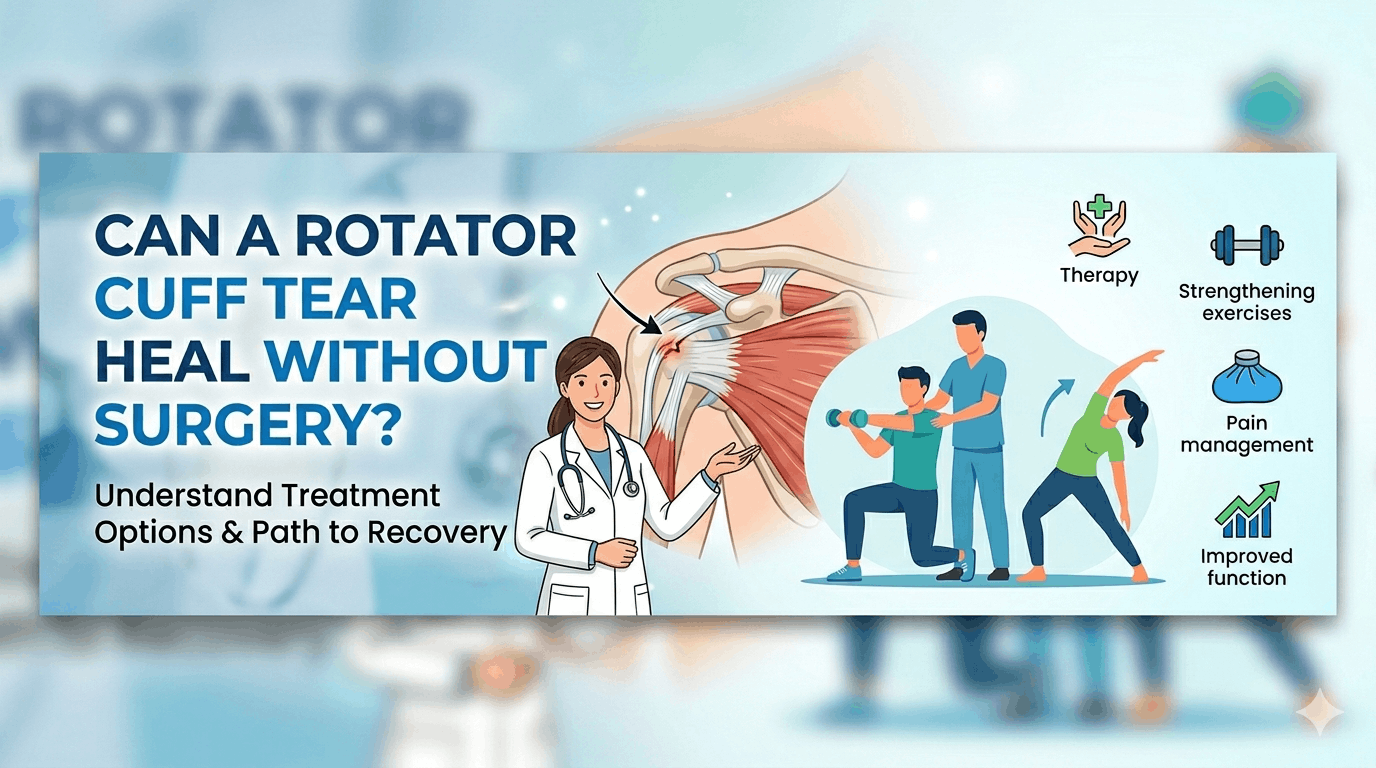
One of the most common questions patients ask after receiving a diagnosis is, “Can a rotator cuff tear heal without surgery?” The answer depends on several factors, including the size of the tear, the patient’s age, activity level, symptoms, and overall shoulder function.
Many people with partial rotator cuff tears or small degenerative tears can successfully manage their condition through non-surgical rotator cuff tear treatment Miami patients commonly receive. Physical therapy, activity modification, strengthening exercises, and pain management strategies often help reduce symptoms and improve function.
However, some tears may continue to enlarge, cause significant weakness, or limit daily activities, making surgery a more appropriate option.
At Miami Shoulder Institute, treatment recommendations are based on the individual patient, not simply MRI findings.
The rotator cuff is a group of four muscles and tendons that surround the shoulder joint. These structures work together to:
Because the shoulder is the most mobile joint in the body, the rotator cuff plays a critical role in maintaining strength and stability.
When one or more tendons become damaged, a rotator cuff tear can occur.
A rotator cuff tear occurs when tendon fibers become partially or completely torn.
There are two main types:
Partial Thickness Tears
Only part of the tendon is damaged.
These tears often respond well to conservative treatment.
Full Thickness Tears
The tendon is completely torn through.
Some full-thickness tears may eventually require surgical repair depending on symptoms and functional limitations.
Read More- Best Shoulder Surgeon in Miami: Diagnosis, Treatment & Recovery Explained
Rotator cuff injuries may develop gradually or occur suddenly.
Common causes include:
Age-Related Degeneration
Natural wear and tear can weaken tendons over time.
Repetitive Overhead Activities
Jobs and sports that require repetitive shoulder motion can increase stress on the tendons.
Sports Injuries
Athletes frequently experience rotator cuff damage from repetitive throwing, swimming, tennis, and weightlifting.
Falls and Trauma
A sudden injury can cause an acute tear.
Not every tear causes severe symptoms.
However, many patients experience:
Persistent shoulder pain Miami patients experience is one of the most common reasons they seek evaluation.
This is where many patients become confused.
In many cases, the tendon itself does not completely regenerate or reattach naturally.
However, symptoms can improve significantly even if the tear remains visible on imaging.
This means:
Therefore, the more important question is often:
Can I function well without surgery?
For many patients, the answer is yes.
Many individuals achieve excellent outcomes without surgery.
Patients most likely to succeed with conservative treatment include:
Those With Partial Tears
Smaller tears often respond well to rehabilitation.
Patients With Mild Symptoms
If daily activities remain manageable, surgery may not be necessary.
Older Adults With Lower Physical Demands
Some tears remain stable for years without requiring repair.
Individuals Who Respond Well to Therapy
Improved strength and reduced pain are positive signs.
A rotator cuff specialist Miami patients trust can help determine whether non-surgical treatment is appropriate.
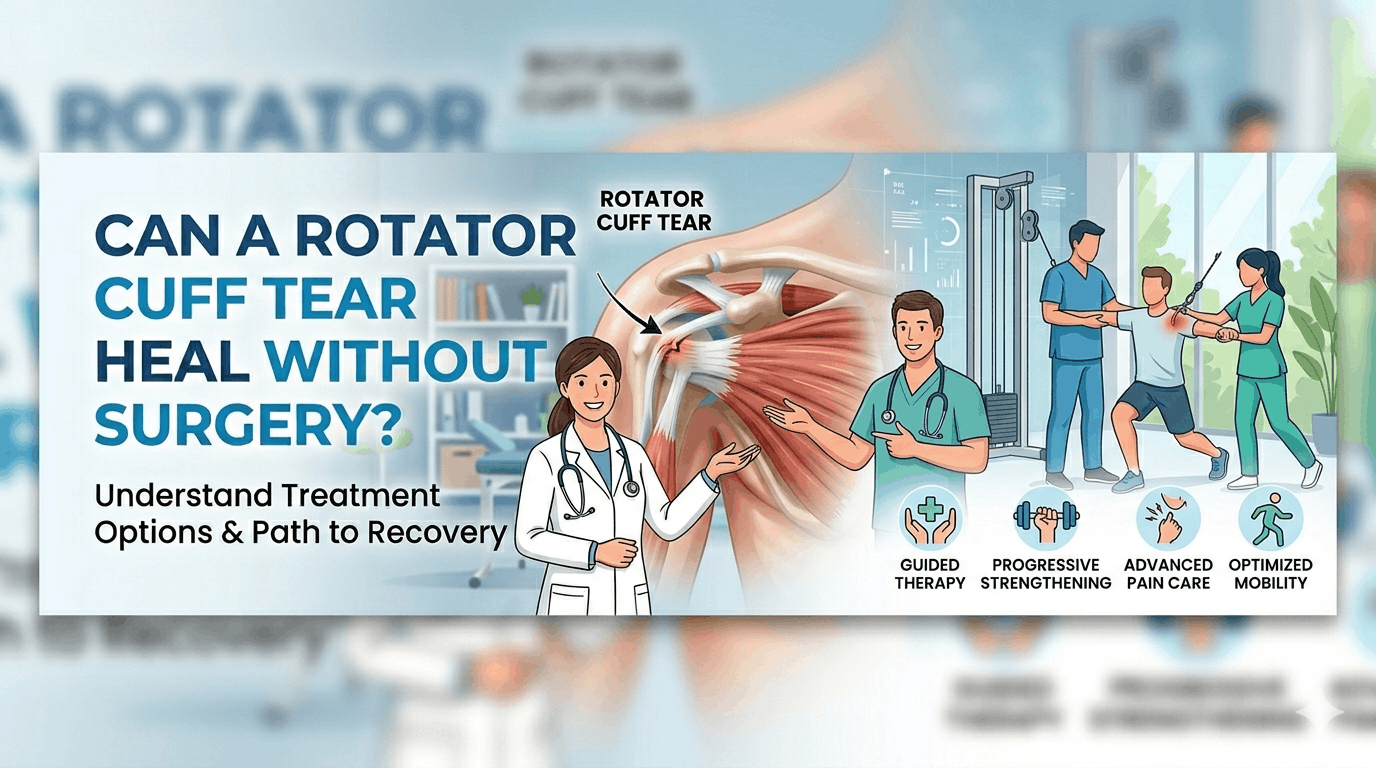
Physical Therapy
Physical therapy is often the cornerstone of conservative care.
Goals include:
Many patients experience meaningful improvement through therapy alone.
Activity Modification
Reducing aggravating movements may help prevent worsening symptoms.
Examples include:
Anti-Inflammatory Treatment
Reducing inflammation can improve comfort and function.
This may include:
Rehabilitation Programs
Structured exercise programs often help patients regain shoulder function while minimizing stress on injured tendons.
Injections
In selected cases, injections may provide temporary symptom relief and allow patients to participate more effectively in rehabilitation.
Read More – Difference Between an Orthopedic Shoulder Specialist and a General Orthopedic Doctor
Although many patients improve without surgery, some situations warrant surgical evaluation.
Significant Weakness
If weakness affects:
surgery may be considered.
Large Tears
Larger tears are more likely to progress and may be less predictable with conservative treatment.
Persistent Pain
When pain continues despite appropriate treatment, further intervention may be appropriate.
Progressive Loss of Function
If shoulder function continues to decline, surgical repair may help restore strength and stability.
Active Patients
Athletes and physically demanding workers often require a higher level of shoulder performance.
Not every tear worsens.
However, some tears may:
This is why regular monitoring is important.
Read More – Top Shoulder Surgeons in Miami Offering Advanced Orthopedic Care
At Miami Shoulder Institute, treatment decisions are based on several factors.
Symptom Severity
Pain and function often matter more than imaging findings alone.
Physical Examination
Strength, mobility, and stability are evaluated.
Imaging Studies
MRI and other imaging help assess:
Patient Goals
Treatment recommendations depend on whether patients want to:
Not necessarily.
Appropriate rehabilitation exercises often help improve shoulder mechanics and reduce symptoms.
However, certain activities may aggravate symptoms, including:
Guidance from a qualified provider is important.
Many patients notice gradual improvement over several weeks or months.
Progress may include:
Consistency is often the key to successful non-surgical treatment.
Read More – Types of Shoulder Surgery: Which Procedure Is Right for Your Condition?
Miami Shoulder Institute specializes exclusively in shoulder care and provides comprehensive evaluation and treatment for rotator cuff injuries.
Whether symptoms require rehabilitation, activity modification, injections, or surgery, treatment plans are tailored to each patient’s condition, goals, and lifestyle.
The focus is always on restoring shoulder function while helping patients make informed decisions about their care.
1. Can a rotator cuff tear heal naturally?
The tendon may not fully reattach on its own, but many patients experience significant symptom improvement without surgery.
2. Do all rotator cuff tears require surgery?
No. Many partial tears and some full-thickness tears can be managed successfully without surgery.
3. How do I know if my tear is getting worse?
Increasing pain, weakness, and loss of function may indicate progression.
4. Can physical therapy replace surgery?
For many patients, therapy provides excellent results and may eliminate the need for surgery.
5. How long should I try conservative treatment?
This varies by patient and tear type, but many patients attempt non-surgical treatment before considering surgery.
6. Is surgery more successful if done early?
In some cases, earlier intervention may prevent tear enlargement and muscle changes.
7. Can I continue exercising with a rotator cuff tear?
Often yes, but activities may need modification depending on symptoms and injury severity.
Also Read About – Most Common Sports Shoulder Injuries and Their Treatments