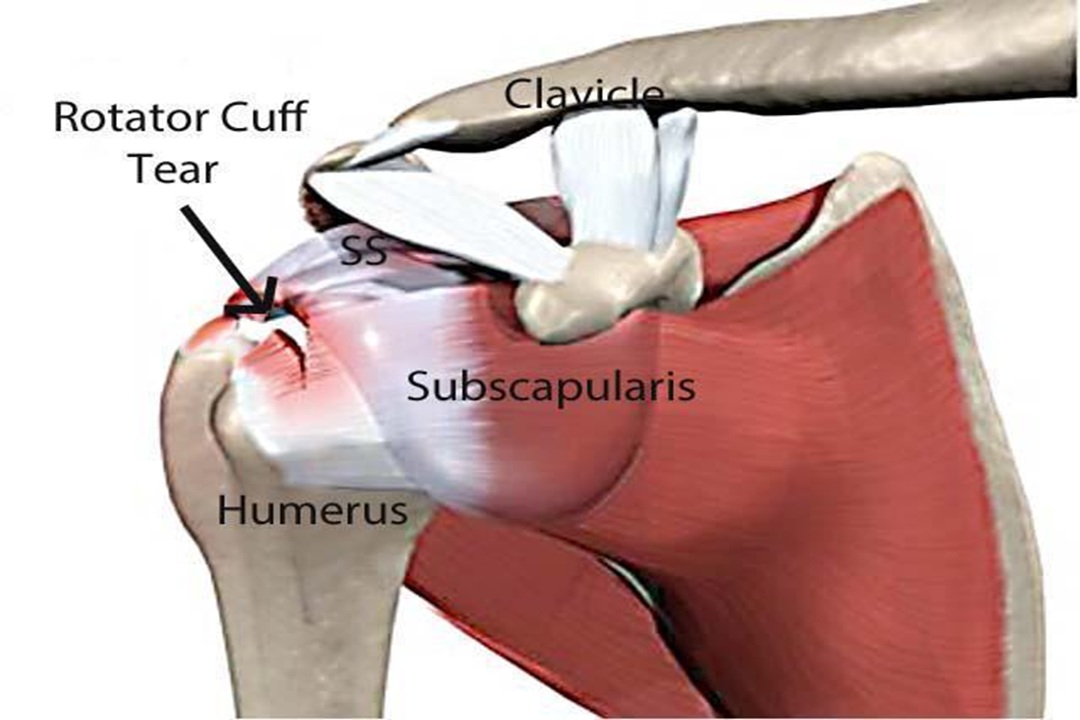
A shoulder dislocation is a painful injury that occurs when the upper arm bone slips out of the shoulder socket. It often happens suddenly during falls, accidents, or sports activities and can lead to long-term instability if not treated properly. At Miami Shoulder Institute, patients receive expert shoulder dislocation treatment focused on accurate diagnosis, stabilization, and long-term recovery.
The shoulder is the most mobile joint in the body, which also makes it vulnerable to dislocation. Once a shoulder has dislocated, the surrounding ligaments and soft tissues may be weakened, increasing the risk of repeated dislocations.
Prompt and appropriate shoulder dislocation treatment is essential to prevent chronic instability and further injury.
Shoulder dislocations are frequently linked to:
Because these injuries are common in active individuals, early care at a sports injury clinic in Miami is often recommended.
You should seek professional evaluation if you experience:
Consulting a shoulder specialist in Miami ensures proper assessment and reduces the risk of recurrence.
Effective shoulder dislocation treatment begins with a precise diagnosis. Miami Shoulder Institute uses a structured diagnostic approach that includes:
This helps determine the severity of the injury and whether surgery may be required.
Not all shoulder dislocations require surgery, especially first-time injuries. Non-surgical treatment may include:
Many patients recover well with conservative care under the guidance of an orthopedic shoulder surgeon in Miami.
Surgery may be recommended if:
In such cases, shoulder dislocation treatment may involve surgical stabilisation to restore joint stability. Miami Shoulder Institute specialises in advanced surgical techniques designed to reduce recurrence and support long-term recovery.
Recovery varies depending on whether treatment is non-surgical or surgical. Patients receive clear guidance on:
Ongoing follow-up ensures the shoulder regains strength and function safely.
Early and expert care plays a major role in preventing repeat injuries. With accurate diagnosis, personalised treatment, and structured rehabilitation, Miami Shoulder Institute helps patients return to an active lifestyle with confidence.
If you’ve experienced a shoulder dislocation or ongoing instability, timely evaluation by a trusted shoulder specialist can make a lasting difference.
The best treatment depends on the severity of the injury and whether it is a first-time or repeated dislocation. Many first-time dislocations can be treated without surgery, while recurrent or unstable shoulders may require surgical stabilisation at Miami Shoulder Institute.
Surgery may be recommended if the shoulder dislocates repeatedly, remains unstable after rehabilitation, or has significant ligament or bone damage. Miami Shoulder Institute evaluates each case carefully before recommending surgery.
Recovery varies based on treatment. Non-surgical recovery may take a few weeks, while surgical recovery can take several months, including rehabilitation and strengthening.
A shoulder can be put back into place, but without proper treatment and rehabilitation, the risk of repeat dislocation remains high. Early care at Miami Shoulder Institute helps reduce long-term instability.
Signs include repeated dislocations, a feeling that the shoulder may “give out,” weakness, pain during movement, or difficulty performing overhead activities.
Modern surgical techniques are designed to minimise discomfort. Pain is usually manageable with medication and improves steadily during recovery.
Yes. Many patients return to sports after completing rehabilitation. Miami Shoulder Institute provides guidance on safe return-to-activity timelines to reduce the risk of re-injury.
Your visit includes a detailed assessment, review of imaging if needed, diagnosis, and discussion of treatment options, allowing you to make an informed decision.
Yes. Without proper treatment, the risk of repeat dislocations is high. Early evaluation and structured care at Miami Shoulder Institute help prevent recurrence.
Miami Shoulder Institute offers focused shoulder expertise, advanced treatment options, and comprehensive recovery planning designed to restore stability and confidence.
Miami Shoulder Institute is dedicated to delivering world-class care with compassion, expertise, and integrity. Your mobility, our mission.