A shoulder fracture is a serious injury that can cause intense pain, loss of movement, and long-term complications if not treated correctly. Whether caused by a fall, accident, or sports trauma, timely evaluation and expert care are essential. At Miami Shoulder Institute, patients receive advanced, patient-focused care for shoulder fracture surgery Miami residents rely on for safe recovery and restored function.
A shoulder fracture occurs when one or more bones of the shoulder joint break. These injuries often involve the upper arm bone or surrounding structures and may vary from minor cracks to complex fractures.
Common causes include:
Many patients are referred through a sports injury clinic Miami athletes and active individuals trust for prompt evaluation.
You should seek urgent care if you experience:
Early assessment by an orthopedic shoulder surgeon Miami patients trust can prevent complications and improve long-term outcomes.
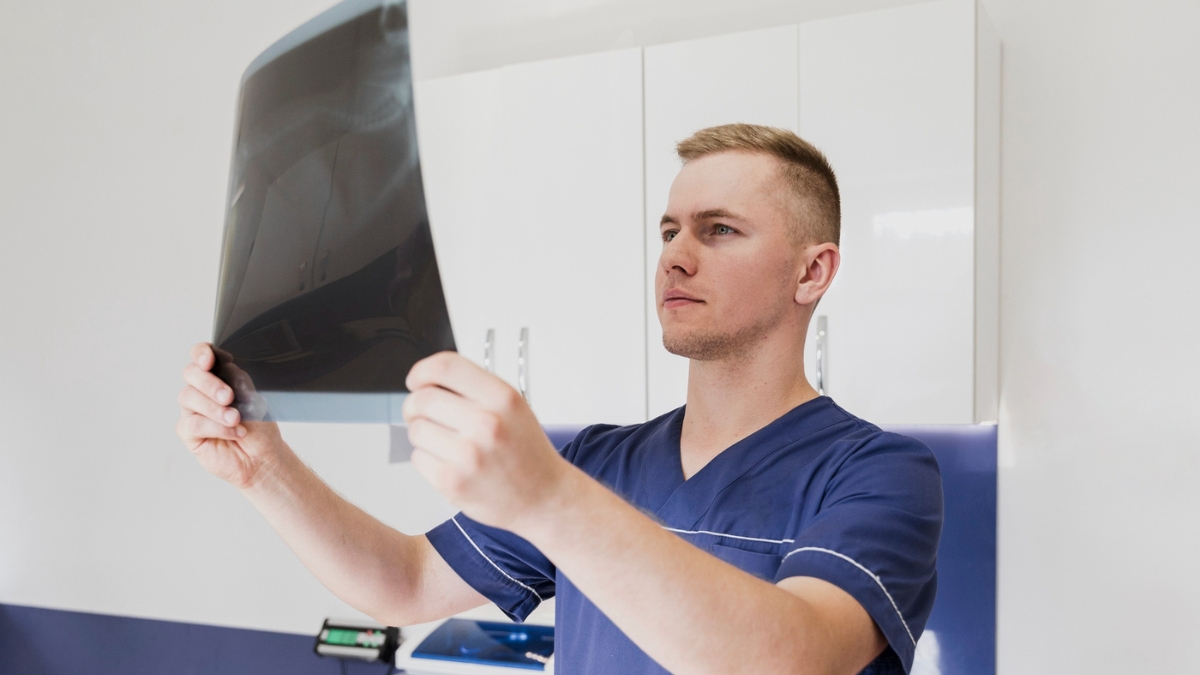
Effective treatment starts with a precise diagnosis. Miami Shoulder Institute follows a thorough assessment process that includes:
This allows the care team to determine whether non-surgical treatment or shoulder fracture surgery Miami patients may need is the best option.
Not all shoulder fractures require surgery. However, shoulder surgery Miami FL may be recommended when:
Miami Shoulder Institute carefully evaluates each case to ensure surgery is recommended only when it provides the best chance for full recovery.
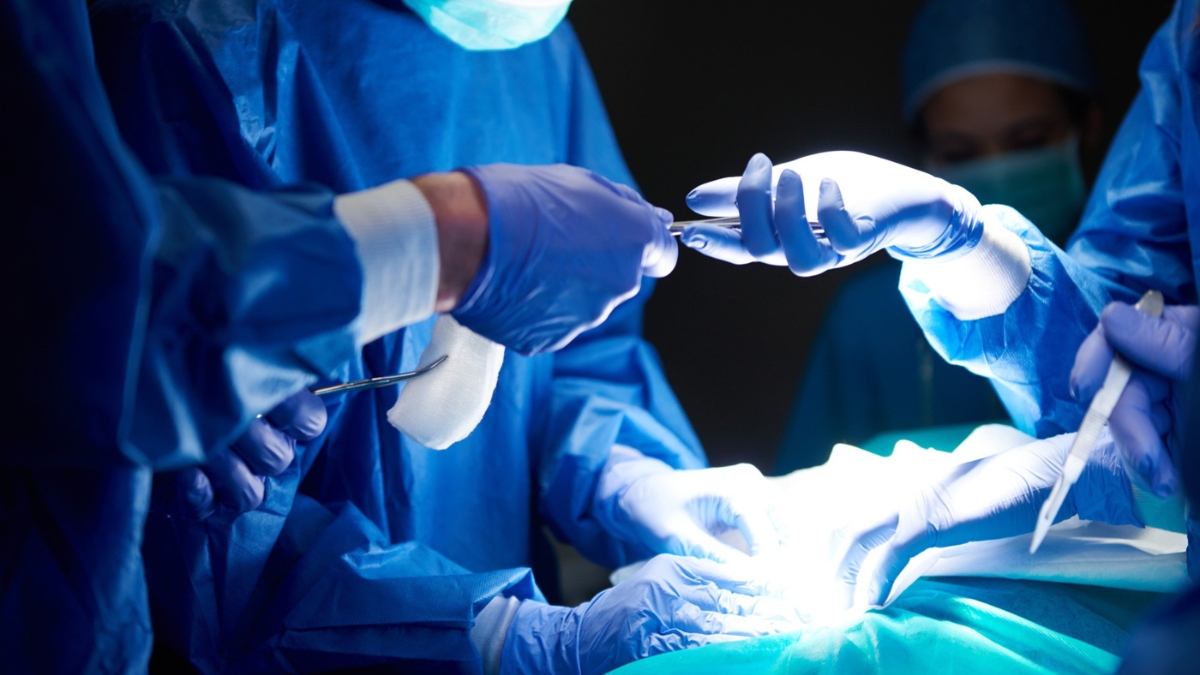
When surgery is required, the goal is to restore proper alignment, stability, and shoulder function. The procedure may involve:
Advanced surgical techniques are used to support safe healing and long-term shoulder strength.
Recovery following shoulder fracture surgery is a gradual process. Patients receive clear guidance on:
Ongoing follow-up ensures healing progresses correctly and reduces the risk of stiffness or weakness.
With expert surgical care and proper rehabilitation, many patients regain shoulder strength, mobility, and confidence. Early treatment and structured recovery play a key role in achieving the best possible outcome after a shoulder fracture.
No. Some fractures can heal with immobilisation and rehabilitation. Surgery is recommended only when alignment or stability is compromised.
Recovery varies depending on the severity of the fracture but often takes several months, including rehabilitation.
Post-surgical pain is expected but manageable. Pain improves steadily as healing progresses.
Yes, many patients return to sports after completing rehabilitation. Return-to-activity timing depends on healing and strength recovery.
Untreated fractures can heal improperly, leading to chronic pain, stiffness, and loss of
Miami Shoulder Institute is dedicated to delivering world-class care with compassion, expertise, and integrity. Your mobility, our mission.