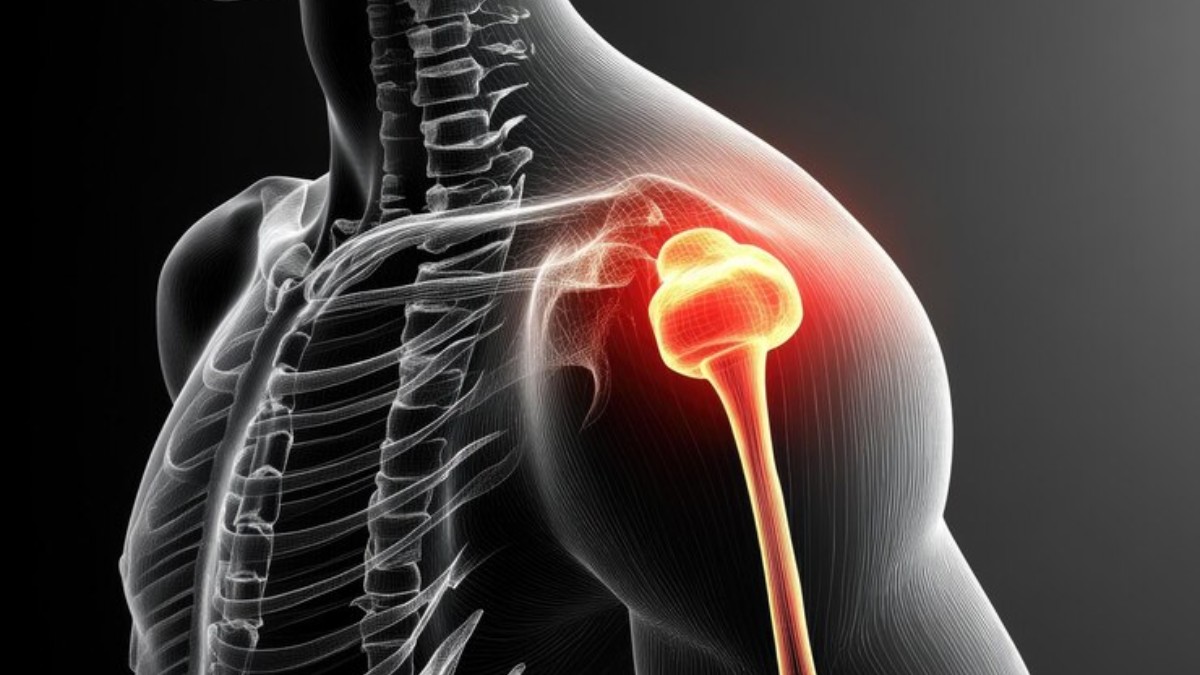
Shoulder dislocations can be painful and disruptive, especially when they occur repeatedly. Recurrent instability often affects athletes, active individuals, and those who have experienced previous shoulder injuries. When conservative treatments fail to restore stability, shoulder stabilization surgery Miami patients seek can help prevent future dislocations and restore shoulder function. At Miami Shoulder Institute, specialised care focuses on advanced surgical techniques and personalised rehabilitation to help patients regain confidence in shoulder movement.
The shoulder joint is one of the most mobile joints in the body, which makes it vulnerable to instability and dislocation. When the structures that hold the joint in place—such as ligaments, tendons, or cartilage—become damaged, the shoulder may slip out of position repeatedly.
Recurrent dislocations often occur due to:
Proper shoulder dislocation treatment Miami patients receive is essential to prevent further joint damage.
People with shoulder instability may experience:
These symptoms often indicate structural damage that may require surgical treatment.
Not every shoulder dislocation requires surgery. However, shoulder stabilization surgery Miami may be recommended when:
A thorough evaluation determines whether surgery is the best option for long-term shoulder health.
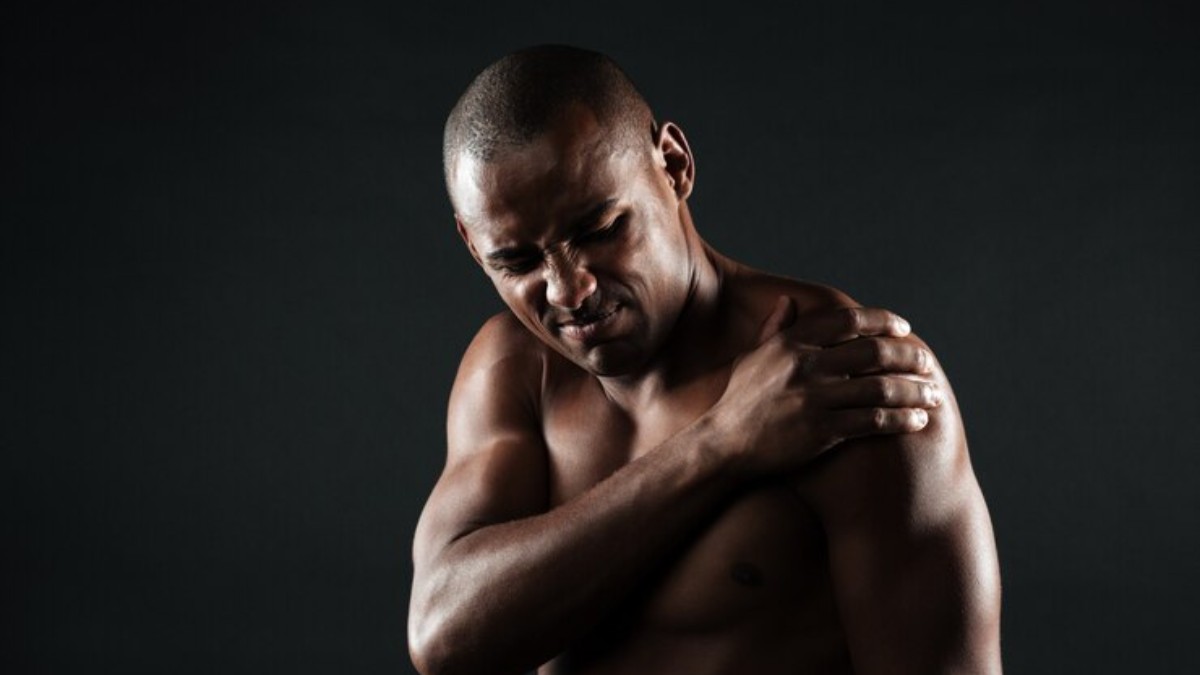
Many stabilization procedures today are performed using arthroscopic shoulder surgery Miami patients prefer because it is minimally invasive. Arthroscopy uses small incisions and a camera to guide precise repairs inside the shoulder joint.
Benefits of arthroscopic procedures include:
During surgery, damaged ligaments or labral tissue may be repaired using specialised anchors to restore joint stability.
An experienced orthopedic shoulder surgeon Miami patients trust specialises in diagnosing and treating complex shoulder conditions. Proper surgical planning and technique are critical to ensuring the shoulder regains stability and strength.
At Miami Shoulder Institute, each treatment plan is personalised to address the patient’s specific injury and activity level.
Recovery after shoulder stabilization surgery involves several stages:
Rehabilitation is essential to ensure long-term stability and reduce the risk of future dislocations.
With expert surgical care and consistent rehabilitation, many patients regain shoulder strength and stability. Early treatment and proper recovery planning play an important role in preventing long-term complications and improving overall shoulder health.
Repeated dislocations usually occur when ligaments or cartilage that stabilise the shoulder are damaged during the initial injury.
No. Many first-time dislocations can be treated without surgery, but repeated instability may require surgical repair.
Recovery typically takes several months and includes structured rehabilitation.
Yes. Arthroscopic procedures are commonly used to repair damaged structures and restore joint stability.
While surgery significantly reduces the risk, proper rehabilitation and strengthening exercises are essential to prevent recurrence.
Miami Shoulder Institute is dedicated to delivering world-class care with compassion, expertise, and integrity. Your mobility, our mission.