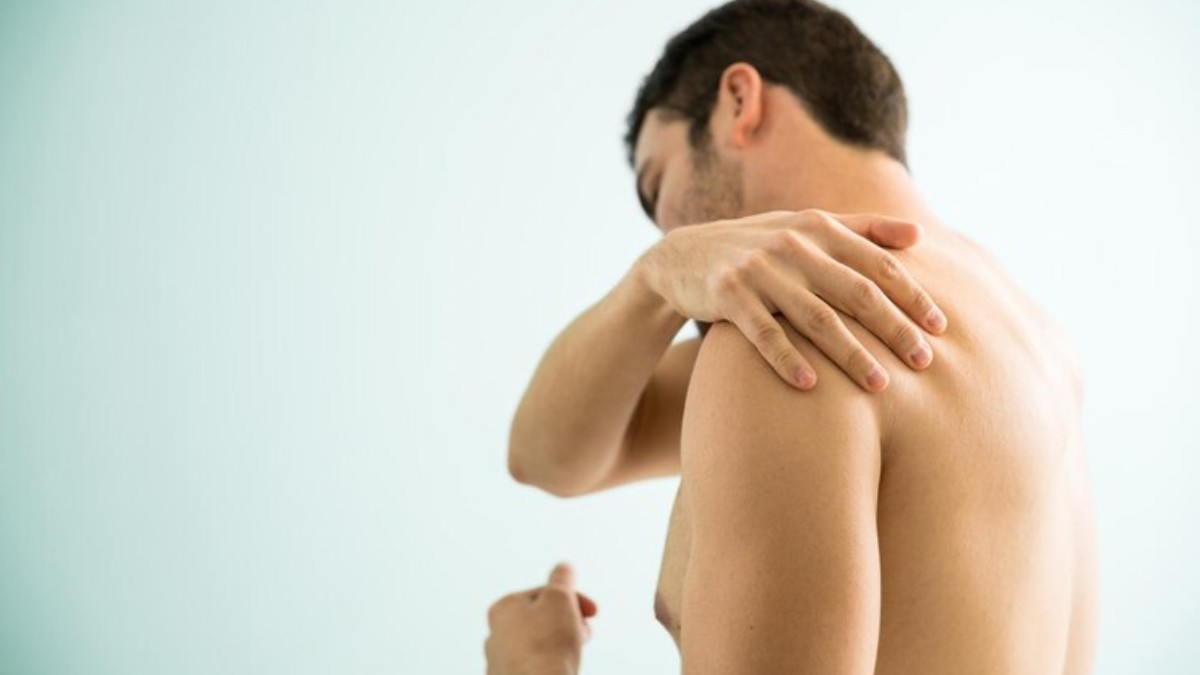
Athletes and active individuals place significant demands on their shoulders through repetitive motion, strength training, and high-impact activities. While many sports injuries can be treated conservatively, some require surgical intervention to restore stability and function. Sports injury shoulder surgery Miami patients seek often focuses on repairing damaged tendons, ligaments, and cartilage so individuals can safely return to their activities. At Miami Shoulder Institute, specialised care combines accurate diagnosis, advanced surgical techniques, and structured rehabilitation for optimal recovery.
Sports that involve throwing, lifting, or repetitive overhead motion frequently place stress on the shoulder joint. Some of the most common injuries include:
When these injuries cause persistent pain, weakness, or instability, surgical treatment may be recommended.
Not all sports injuries require surgery. However, sports injury shoulder surgery Miami may be recommended when:
A thorough evaluation determines whether surgery is the best option to protect long-term shoulder health.
Rotator cuff tears are one of the most common injuries among athletes. Rotator cuff repair surgery Miami patients undergo focuses on reattaching torn tendons to the bone and restoring shoulder strength.
Modern techniques often use minimally invasive arthroscopic procedures, allowing surgeons to repair damage through small incisions while preserving surrounding tissues. This approach can support faster recovery and reduced post-operative discomfort.
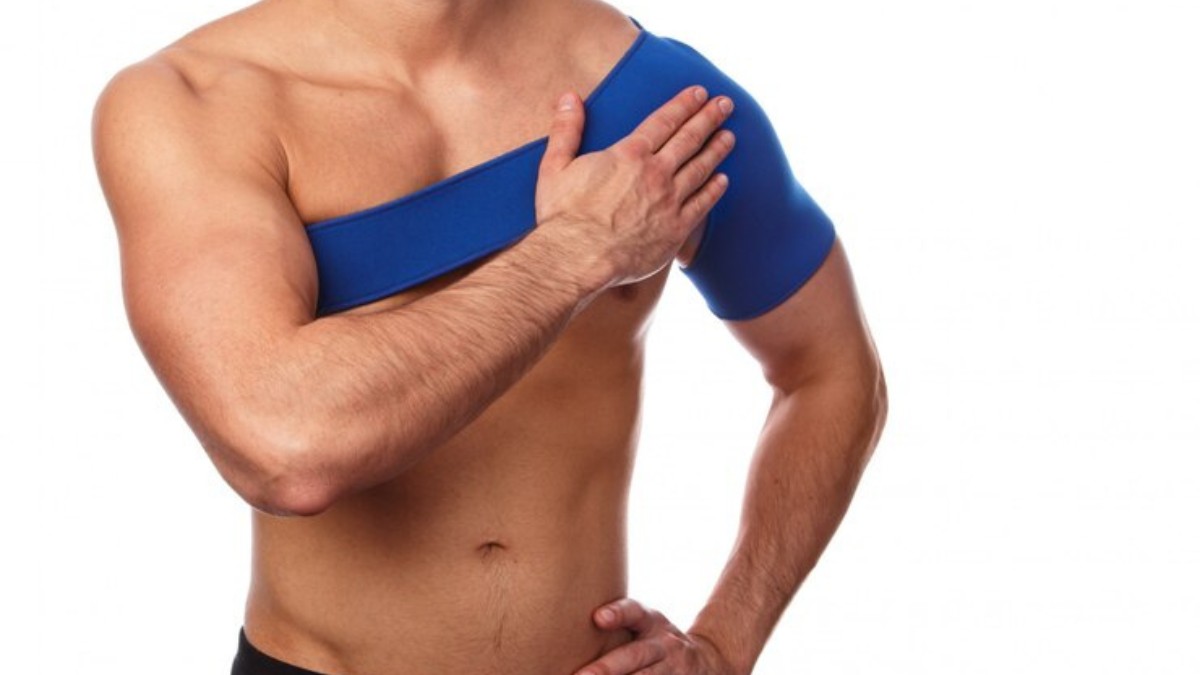
The labrum is a ring of cartilage that stabilises the shoulder joint. Tears frequently occur in athletes who perform repetitive overhead movements or experience shoulder dislocations.
A labrum tear surgery specialist focuses on repairing this cartilage to restore stability and prevent future dislocations. Surgical repair often involves arthroscopic techniques that allow precise treatment while minimising tissue disruption.
Recovery from shoulder surgery requires patience and structured rehabilitation. Athletes typically follow a phased recovery plan that includes:
Proper rehabilitation helps ensure long-term recovery and reduces the risk of re-injury.
Returning to sports after shoulder surgery depends on the type of injury and the individual’s recovery progress. With expert care and consistent rehabilitation, many athletes successfully regain shoulder strength, stability, and confidence.
Severe rotator cuff tears, labrum tears, and recurrent shoulder dislocations may require surgery if non-surgical treatments fail.
Recovery varies depending on the injury but often takes several months with structured rehabilitation.
Yes. Rotator cuff injuries are common in sports involving repetitive overhead movements.
Many athletes return to sports after completing rehabilitation and regaining strength and stability.
Untreated labrum tears can lead to shoulder instability, chronic pain, and repeated dislocations.
Miami Shoulder Institute is dedicated to delivering world-class care with compassion, expertise, and integrity. Your mobility, our mission.