
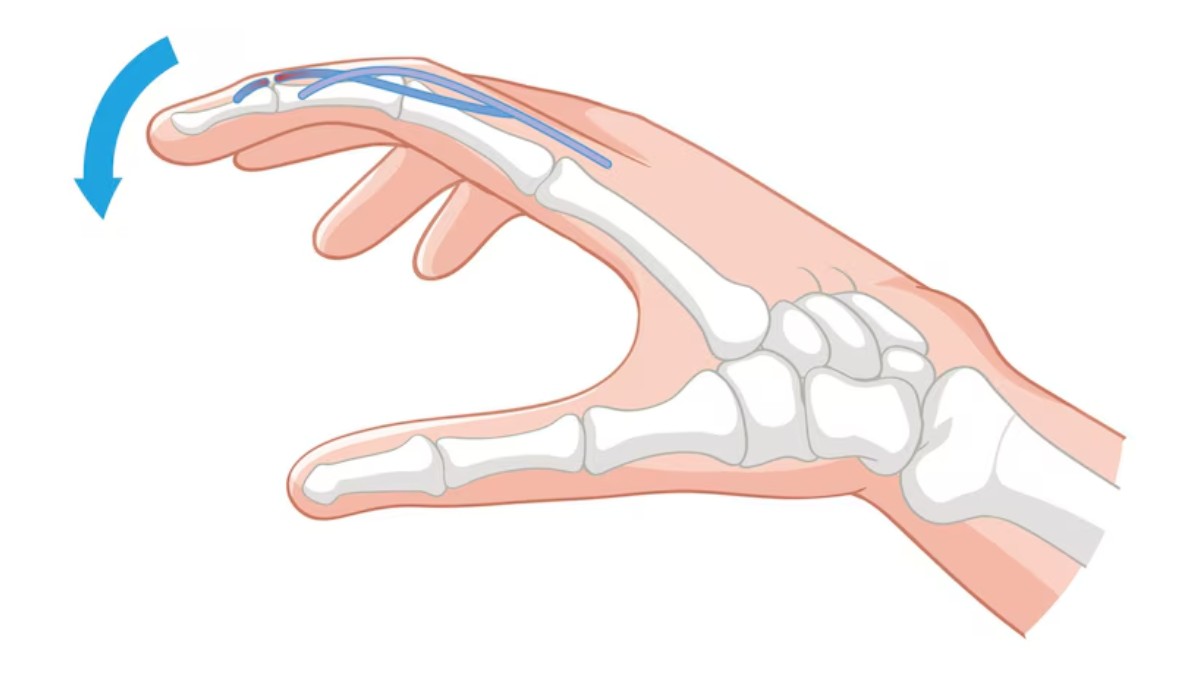
The thumb plays a vital role in hand function, allowing us to grasp, hold, and manipulate objects. Injuries to the ligaments of the thumb can significantly reduce grip strength and make everyday tasks difficult. When severe ligament damage occurs, thumb ligament surgery Miami patients seek may be necessary to restore stability and hand function. At Miami Shoulder Institute, specialised care focuses on advanced surgical techniques designed to repair thumb injuries and support long-term recovery.
Thumb ligaments help stabilise the joint and allow controlled movement. These ligaments may be stretched or torn due to:
A severe tear can lead to instability and loss of grip strength, making it difficult to hold or pinch objects.
Common symptoms include:
If these symptoms persist after an injury, evaluation by a hand surgeon Miami patients trust may be recommended.
Not all ligament injuries require surgery. However, thumb ligament surgery Miami may be recommended when:
A detailed examination helps determine the most appropriate treatment plan.
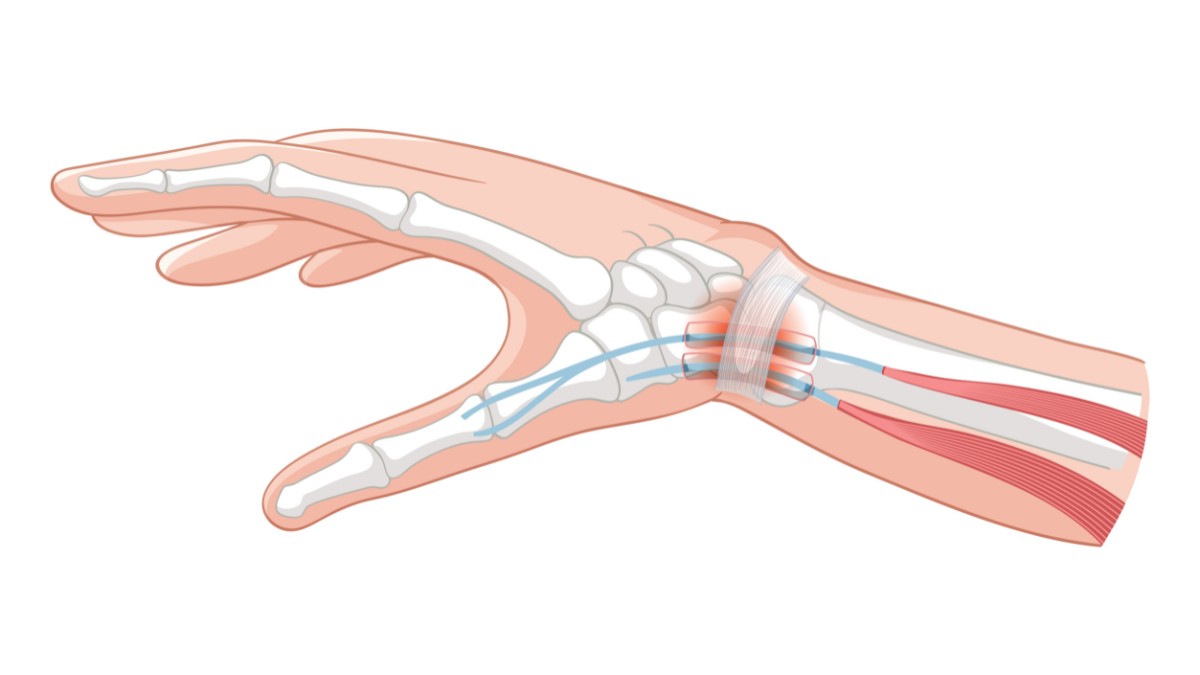
Many thumb ligament repairs require precise hand and microsurgery techniques. Microsurgery allows surgeons to repair delicate structures such as ligaments, nerves, and tendons using specialised instruments.
These techniques help:
In complex cases, reconstructive hand plastic surgery may be required to repair damaged soft tissue.
During thumb ligament surgery, the damaged ligament is repaired or reconstructed to stabilise the joint. This may involve using sutures, anchors, or tendon grafts depending on the severity of the injury.
The goal of surgery is to restore thumb alignment, stability, and grip strength.
Recovery following thumb ligament surgery varies depending on the severity of the injury and the surgical technique used. Patients typically receive:
Consistent rehabilitation plays a key role in restoring full hand function.
With proper surgical care and rehabilitation, many patients regain strong grip strength and improved thumb mobility. Early treatment and guided recovery significantly increase the chances of successful long-term outcomes.
These injuries often occur from sports accidents, falls, or sudden twisting forces applied to the thumb.
No. Mild injuries may heal with splinting and therapy, but severe tears often require surgical repair.
Recovery typically takes several weeks to a few months depending on the injury and rehabilitation process.
Microsurgery allows surgeons to repair small structures with high precision, improving healing and joint stability.
Many patients regain significant grip strength with proper rehabilitation and therapy.

Miami Shoulder Institute is dedicated to delivering world-class care with compassion, expertise, and integrity. Your mobility, our mission.