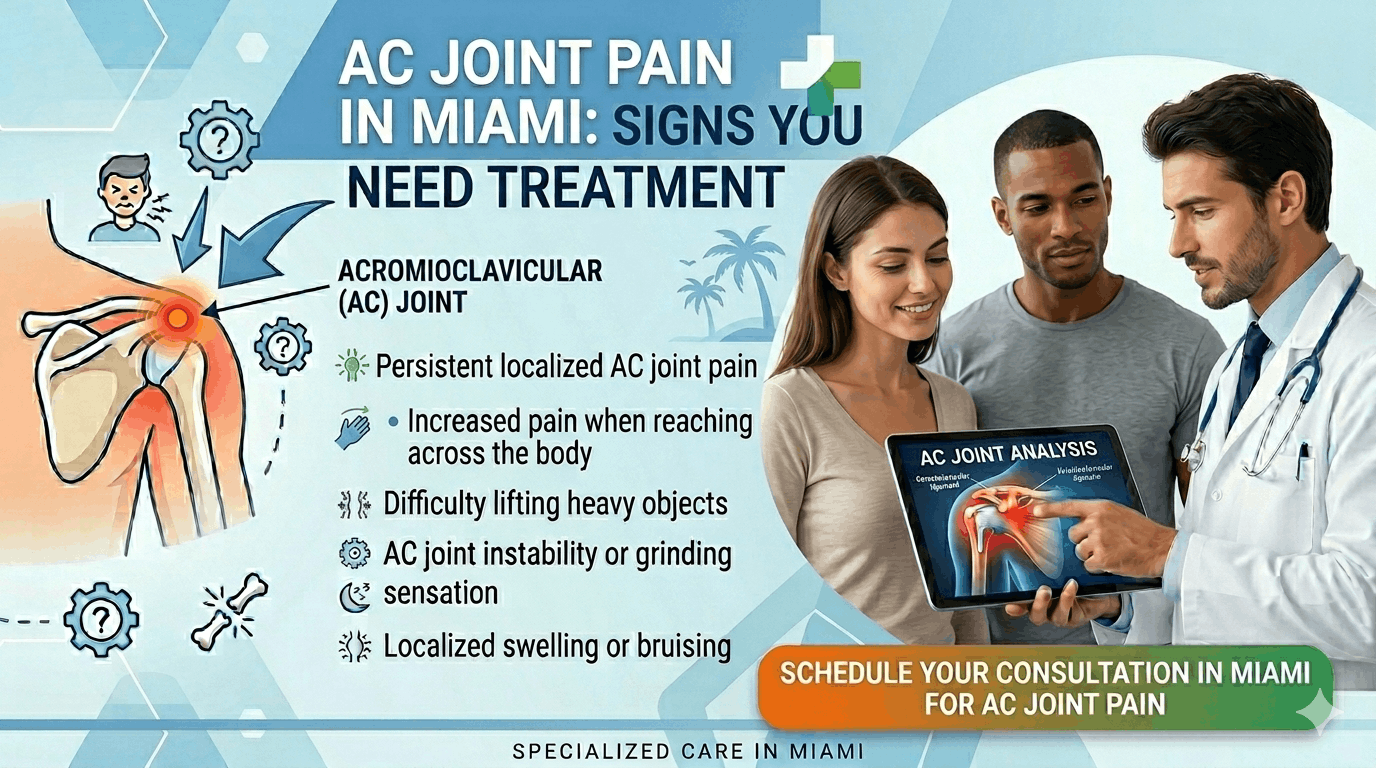
Shoulder pain can come from many different structures, but one commonly overlooked source is the acromioclavicular (AC) joint. If you’ve been experiencing pain at the top of your shoulder—especially during lifting, reaching, or after an injury—it could be related to the AC joint.
Understanding AC joint pain Miami, recognising early symptoms, and knowing when to seek help from a shoulder specialist Miami can make a major difference in recovery. At MIAMI SHOULDER INSTITUTE, patients receive focused care for all types of shoulder conditions, including AC joint injuries and separations.
The AC joint (acromioclavicular joint) is where the collarbone (clavicle) meets the highest point of the shoulder blade (acromion). Though small, this joint plays a crucial role in shoulder movement and stability.
It helps with:
Because of its location and function, the AC joint is prone to injury, especially in active individuals.
There are several reasons why people experience AC joint pain Miami, ranging from minor irritation to more serious injuries.
One of the most common causes of AC joint pain is shoulder separation Miami, which occurs when the ligaments stabilising the joint are damaged.
Frequent overhead movements or heavy lifting can irritate the joint over time.
Falls, sports injuries, or accidents can impact the AC joint directly.
Degeneration of the joint cartilage can lead to pain and stiffness.
Exercises like bench press or shoulder press can stress the AC joint.
At MIAMI SHOULDER INSTITUTE, identifying the exact cause is essential for creating an effective treatment plan.
Recognising symptoms early can prevent worsening of the condition.
Common signs include:
If you notice these symptoms, it’s important to consult a shoulder specialist Miami for evaluation.
A shoulder separation Miami injury occurs when the ligaments connecting the clavicle and acromion are stretched or torn.
At MIAMI SHOULDER INSTITUTE, treatment depends on the severity of the separation.
Not all shoulder pain requires immediate concern, but certain symptoms indicate the need for professional care.
Ignoring these signs can lead to chronic pain and long-term complications.
At MIAMI SHOULDER INSTITUTE, diagnosis involves a detailed and structured approach.
Understanding symptoms, injury mechanism, and activity level.
Assessing:
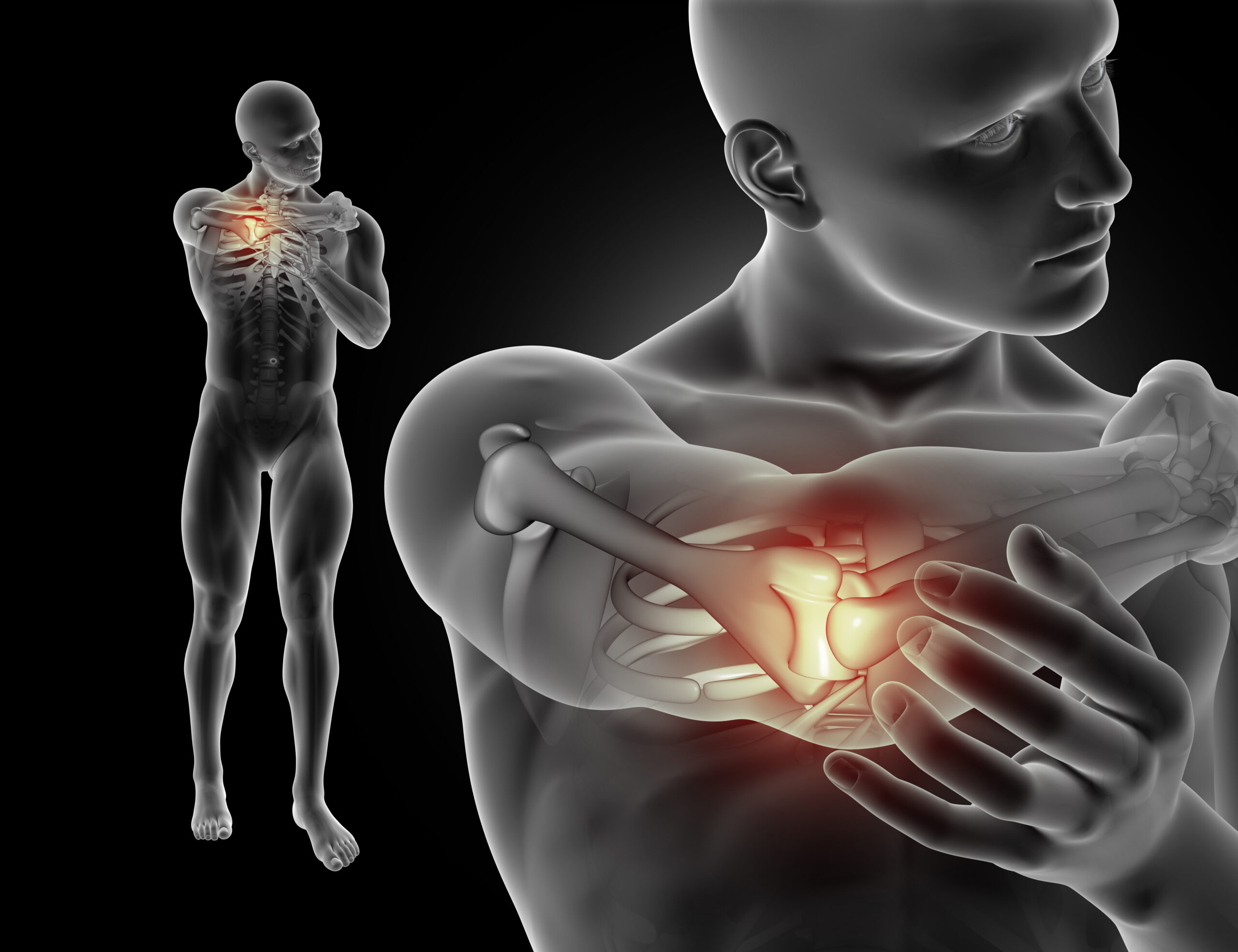
Accurate diagnosis ensures the most effective treatment plan.
Treatment depends on the cause and severity of the condition.
Most cases of AC joint pain Miami can be treated without surgery.
Avoid movements that aggravate the joint.
Reduces inflammation and pain.
Anti-inflammatory drugs help manage symptoms.
Provide temporary relief in cases of inflammation.
At MIAMI SHOULDER INSTITUTE, conservative treatment is always the first step.
In some cases, non-surgical treatments may not provide sufficient relief.
Modern techniques ensure minimally invasive procedures and faster recovery at MIAMI SHOULDER INSTITUTE.
Recovery depends on the severity of the condition and treatment approach.
Following your rehabilitation plan is essential for long-term success.
Preventive care can significantly reduce the risk of AC joint problems.
At MIAMI SHOULDER INSTITUTE, patients are guided on preventive strategies to maintain shoulder health.
Strengthening and stabilising the shoulder can reduce strain on the AC joint.
Always consult a shoulder specialist Miami before starting exercises if you have pain.
Delaying treatment for AC joint pain Miami can lead to:
Early evaluation ensures faster recovery and better outcomes.
When dealing with shoulder conditions, specialised care is essential.
MIAMI SHOULDER INSTITUTE offers:
The goal is to restore strength, stability, and long-term shoulder health.
It is commonly caused by injury, overuse, arthritis, or shoulder separation.
It is an injury where the ligaments in the AC joint are stretched or torn.
You should seek care if pain persists, worsens, or affects daily activities.
Mild cases may improve with rest, but persistent pain requires treatment.
No, most cases can be treated without surgery.
Recovery varies from weeks to months depending on severity.
AC joint pain can start as a mild discomfort but quickly progress into a condition that affects your daily life and physical activity. Recognising early signs and seeking timely care is the key to preventing long-term issues.
If you’re experiencing AC joint pain Miami or suspect a shoulder separation Miami, consulting a trusted shoulder specialist Miami at MIAMI SHOULDER INSTITUTE ensures accurate diagnosis and effective treatment. With the right care, you can regain strength, mobility, and confidence in your shoulder.