
 EN EN
EN EN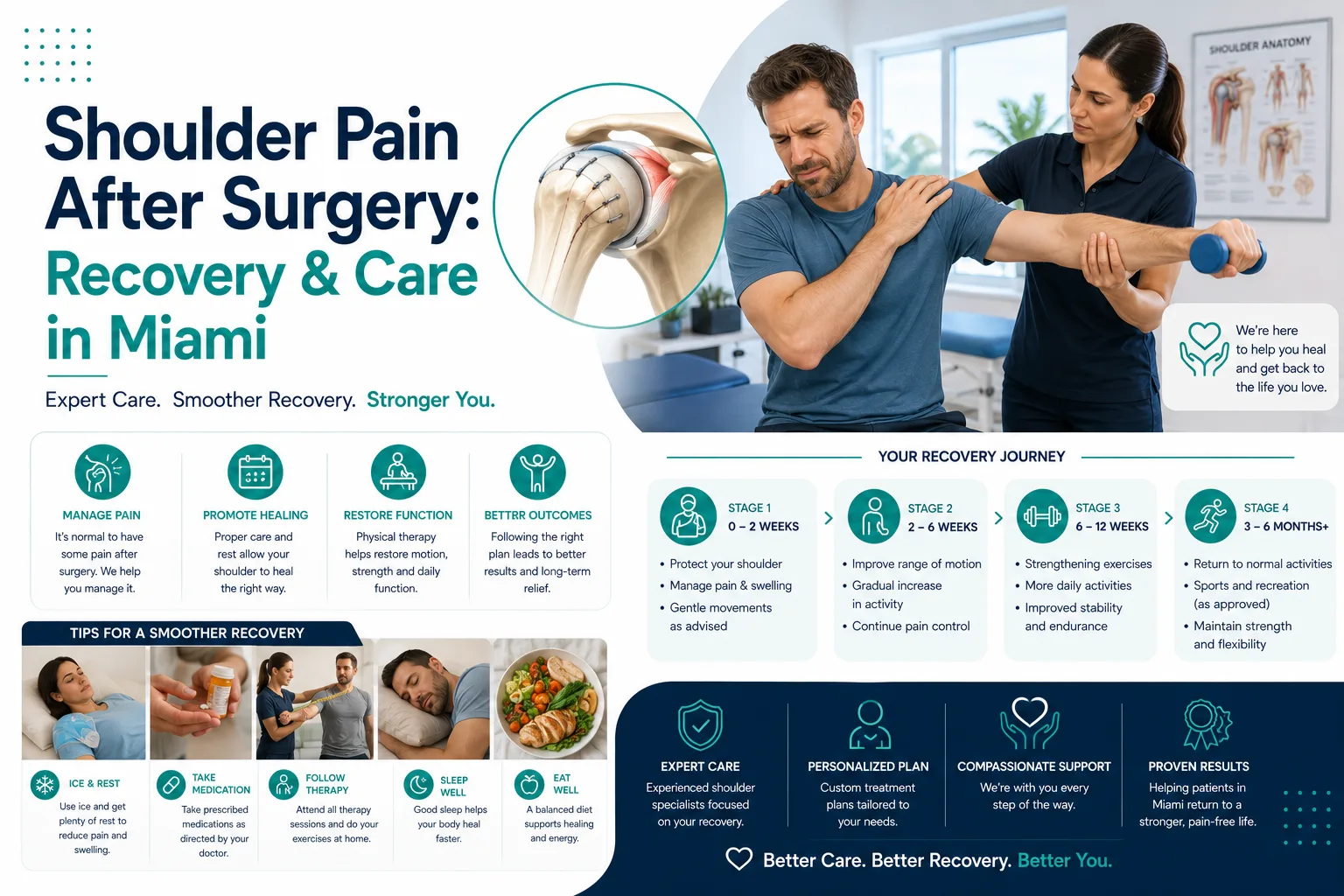
Experiencing shoulder pain after surgery can be concerning, especially when you expect immediate relief. While some discomfort is a normal part of healing, understanding what is typical and what requires attention is essential for a smooth recovery. At Miami Shoulder Institute, recovery care is structured, monitored, and personalised to help patients regain strength and mobility safely.
Yes, mild to moderate shoulder pain after surgery is expected during the early healing phase. The body needs time to repair tissues, reduce inflammation, and adapt after a procedure. The intensity and duration of discomfort depend on:
Clear post-operative guidance helps patients manage symptoms effectively.
Several factors can contribute to shoulder pain after surgery, including:
Proper shoulder surgery recovery Miami patients follow is essential to minimise discomfort and prevent setbacks.
A well-planned recovery process plays a major role in long-term success. After shoulder surgery therapy Miami patients receive is carefully guided to restore movement while protecting the surgical repair.
Rehabilitation typically includes:
Skipping therapy or returning to activity too soon may increase pain and delay healing.
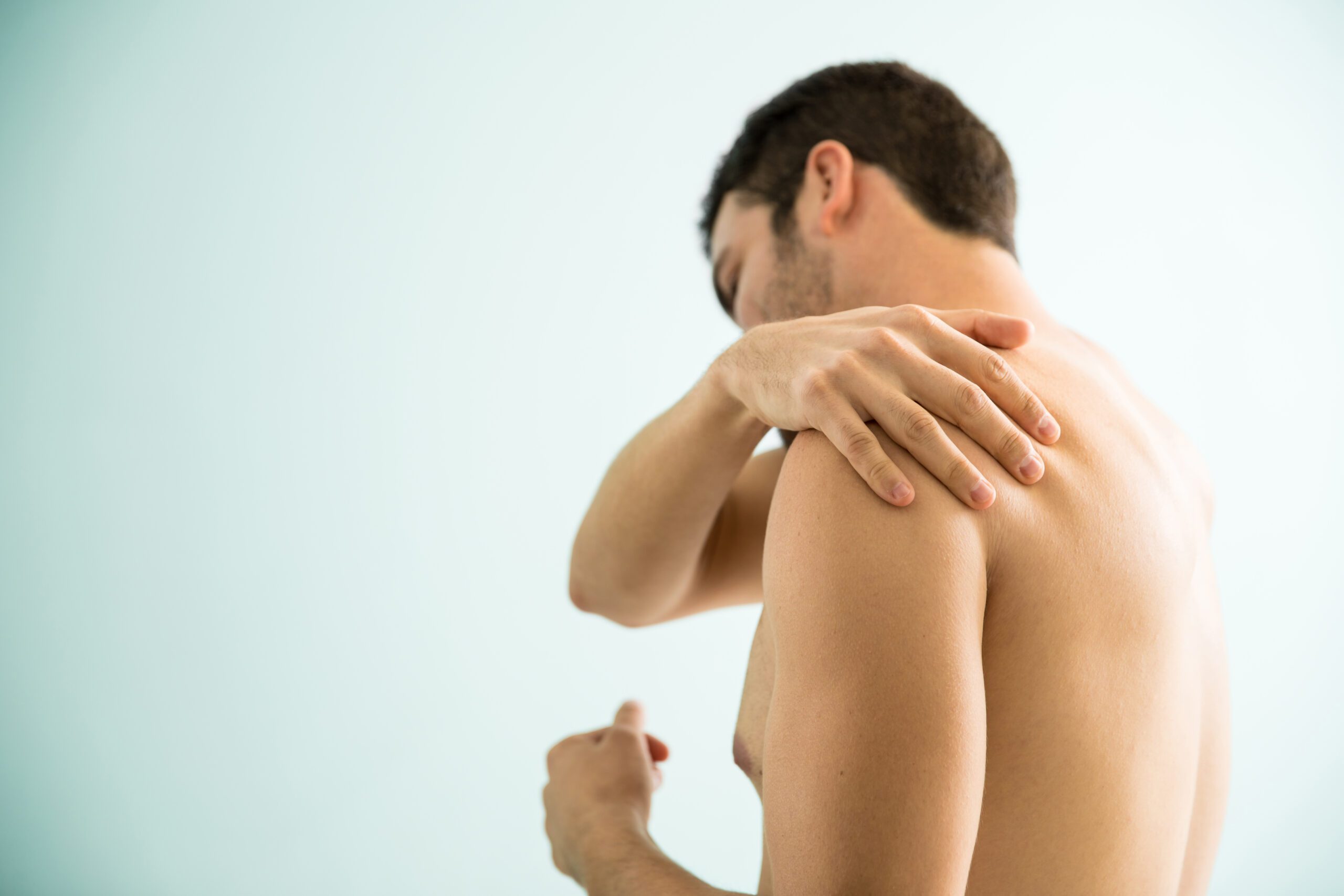
While mild pain is normal, you should seek evaluation if you experience:
Ongoing follow-up at Miami Shoulder Institute ensures that recovery remains on track and any concerns are addressed promptly.
To support smoother recovery, patients are encouraged to:
Consistency in rehabilitation is key to successful healing.
Recovery varies based on the type of surgery performed. In general:
Adhering to the recommended shoulder surgery recovery Miami plan improves long-term outcomes and reduces complications.
With expert guidance, most patients experience steady improvement in shoulder mobility and strength. A structured recovery programme ensures that healing progresses safely while minimising prolonged discomfort.
Mild pain is common during the first few weeks. Improvement is gradual, depending on the procedure and rehabilitation progress.
Yes. After shoulder surgery therapy Miami patients follow is essential for restoring strength, flexibility, and joint stability.
Following rehabilitation instructions, using prescribed pain management techniques, and avoiding overuse help reduce discomfort.
If pain worsens significantly, does not improve, or is accompanied by swelling, redness, or fever, evaluation is recommended.
Most patients experience lasting relief when rehabilitation is followed correctly. Ongoing strengthening helps prevent recurrence.